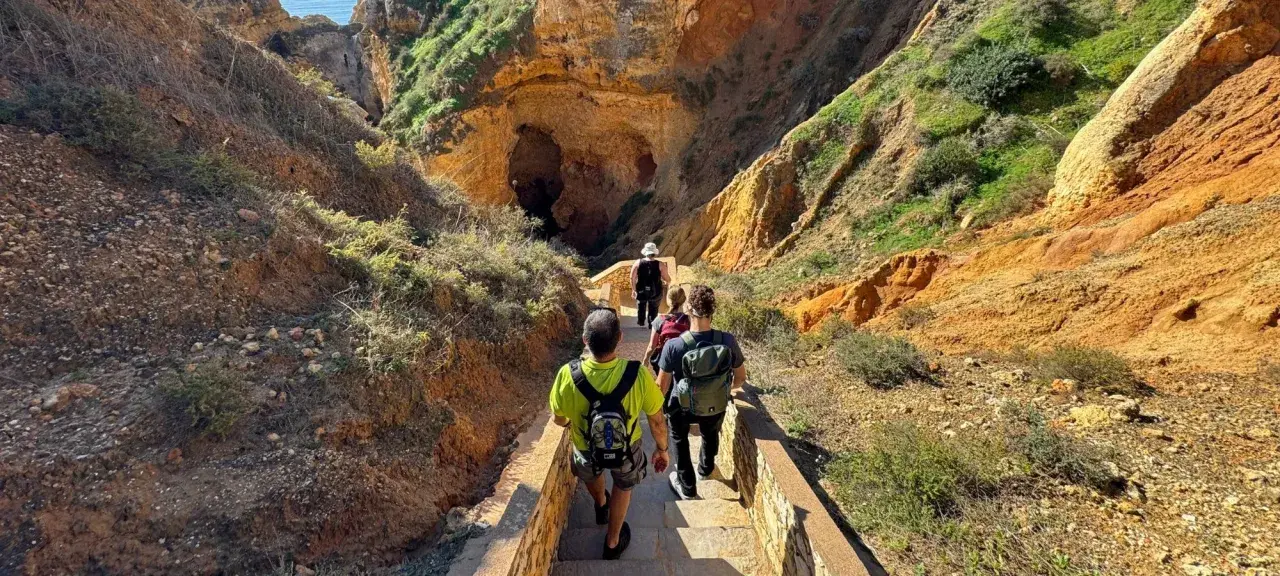
A trail in Portugal can mean a cliffside coastal path, a shaded mountain route, or a short loop around a village, and the country is strong enough to do all three well. What makes the experience stand out is the mix: long-distance routes for serious walkers, easy half-day options for travelers who want scenery without a full expedition, and island trails that feel completely different from the mainland. In this guide, I focus on how to choose the right route, what regions actually deliver the best walking, and the practical details that keep a hike enjoyable instead of exhausting.
The best walks are the ones matched to your pace, season, and terrain
- Portugal has everything from short circular walks to multi-stage long-distance routes.
- Coastal paths are the most dramatic, but they are also the most exposed to wind and sun.
- Madeira’s classified trails require advance reservation and are managed more tightly than most mainland routes.
- The Azores offer more than 60 classified hiking trails with easy, medium, and hard options.
- For first-time visitors, distance matters less than terrain, logistics, and weather.
Why Portugal works so well for hikers
What I like most about walking here is that Portugal does not force you into one style of hiking. Visit Portugal classifies routes into Great Routes, which are longer than 30 km, and Small Routes, which are shorter than 30 km, so the country is already built around the idea that walkers have different goals, timelines, and fitness levels. That structure makes planning easier than it looks at first glance.
The strongest example is Rota Vicentina, a route network stretching for nearly 750 km along one of Europe’s best-preserved coastal areas. It combines two main trails and 24 circular routes, which means you can choose between a proper multi-day walk, a full-day stage, or a shorter loop if you do not want to commit to something bigger. I find that flexibility is the real strength of Portuguese hiking: you can keep the scenery high without making every outing a logistical project.
Portugal also works because the landscapes change fast. On one trip you can move from ocean cliffs to inland farmland, then from forest tracks to high volcanic terrain or levada paths. That variety is why the country suits both casual walkers and people who care about long, structured hikes. Once you understand that range, the next step is deciding what kind of route actually fits your trip.
How I choose the right route for my fitness and time
When I plan a hike in Portugal, I do not start with distance alone. I start with three questions: how much time do I have, how exposed is the terrain, and how complicated will the logistics be at the start and finish. A 10 km coastal walk can feel harder than a 15 km shaded inland route if the sun, wind, and footing are working against you.
| Route type | Best for | What to watch |
|---|---|---|
| Short circular loop | Half-day outings, low logistics, relaxed pacing | Heat, limited shade, and surprisingly steep sections |
| Point-to-point coastal stage | Big views and a strong sense of movement | Wind exposure, slippery edges, and transfer planning |
| Inland heritage walk | Quieter scenery, villages, and a slower rhythm | Longer stretches between services or transport |
| Island or levada trail | Scenic drama with manageable mileage | Weather shifts, wet surfaces, and access rules |
If I only have one day, I usually lean toward a circular route or a short stage that starts and ends in the same place. On Rota Vicentina, for example, the circular routes never go beyond 16 km, which makes them easy to fit into a half-day plan. If I want a bigger commitment, I look at point-to-point sections where accommodation and luggage transfer can be arranged in advance, because a beautiful route becomes much less attractive when the transport puzzle is messy.
That choice leads naturally into where I would start first, because in Portugal the region often matters as much as the route name.
Where I would start first
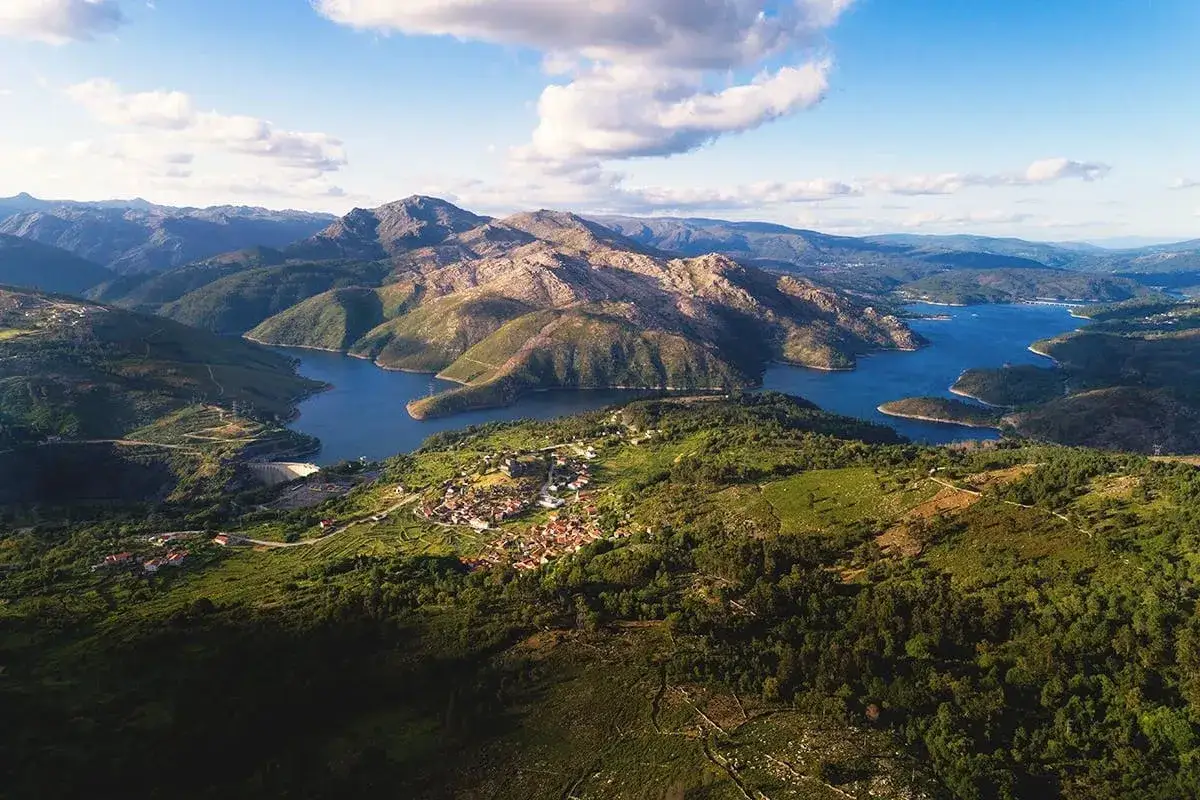
If I were building a shortlist from scratch, I would separate Portugal into four hiking personalities. Each one offers something different, and each one comes with its own trade-offs.
| Area | Why I would pick it | Main trade-off |
|---|---|---|
| Southwest coast | Best for dramatic cliffs, ocean views, and a route network with strong infrastructure | It can be physically demanding, especially on exposed stages |
| Madeira | Best for levadas, mountain drama, and highly managed official trails | Reservations are mandatory on classified trails, and access is more regulated |
| Azores | Best for variety, volcanic scenery, crater lakes, and routes in multiple difficulty levels | Weather and mist can change the mood of a hike quickly |
| North and inland regions | Best for quieter walks, river valleys, and a more local, less crowded feel | Planning matters more because services and trail marking can be less obvious in places |
The southwest coast is still the easiest first recommendation for many travelers. The Fishermen’s Trail is the more demanding coastal option, while the Historical Way gives you a longer inland route through forest tracks, towns, and villages. The whole network is nearly 750 km long, with the Historical Way covering 263 km and the Fishermen’s Trail 226.5 km, so this is not a casual stroll-only destination. It is a place where you can choose your level of ambition very precisely.
Madeira is a different kind of reward. Its official hiking trails are classified and managed, and all of the classified PR trails require reservation. The current fee is generally €4.50 per person, which is a small cost for a system that keeps the most popular routes under control. I actually appreciate that approach: it reduces overcrowding and makes the trail experience feel more deliberate.
The Azores are the most flexible of the island options. Visit Portugal notes that the archipelago has more than 60 hiking trails, divided into easy, medium, and hard levels. That range matters because it means the islands are not only for fit hikers; they work for families, casual walkers, and people who want a scenic day without a technical climb. Once you know your preferred landscape, the remaining question is timing and preparation.
When to go and what to pack
For mainland walks, I usually think in seasons rather than calendar dates. Spring and autumn are the most forgiving, especially for longer coastal and inland routes. Summer can still be excellent, but I prefer early starts and shorter stages, because exposed terrain in Portugal can feel much tougher once the temperature rises and the sun gets high.
On Madeira and the Azores, weather deserves even more respect. The islands can look calm at the start of a walk and very different an hour later, so I always treat layers as non-negotiable. A light wind shell, a dry base layer, and reliable shoes with grip make a bigger difference than most travelers expect.
- Water: at least 1.5 liters for a short half-day walk, and 2 to 3 liters for exposed or longer routes.
- Footwear: trail shoes or boots with grip, especially for cliff paths, wet rock, or levada edges.
- Sun protection: hat, sunscreen, and sunglasses, even on days that start cool.
- Navigation: offline maps or a downloaded route, because mobile coverage is not guaranteed everywhere.
- Fuel: snacks with salt and quick energy, especially on routes with few services.
I also check whether the route has a reservation system or a live status page before I set off. Madeira is the clearest example, but the habit is useful anywhere in Portugal after storms, heatwaves, or maintenance work. A good trail plan is not just about packing well; it is about avoiding avoidable friction before the hike even begins.
The mistakes that turn an easy walk into a slog
The most common mistake I see is treating every trail as if distance alone tells the full story. It does not. A short coastal route with no shade and steady wind can wear you down faster than a longer forest walk with gentle gradients. I always look at elevation, exposure, and underfoot conditions together, because that combination tells me more than a map label ever will.
Another mistake is leaving the start too late. On exposed routes, late mornings can be punishing, and on point-to-point walks you can end up racing the clock for transport or check-in. I would rather start early and have margin than finish hot, rushed, and annoyed. The same logic applies to food and water: people often assume they can “pick something up later,” but on rural and coastal routes that assumption can fail.
Finally, I would not underestimate route logistics. If a walk starts in one village and ends in another, I check transfer options, accommodation spacing, and whether luggage support is available. Long routes feel much better when the practical side is sorted in advance. That is especially true on multi-day walks, where a small planning mistake repeats itself every day until the end.
Once those basics are in place, the final step is simple: match the route to the kind of trip you actually want, not the one that sounds most impressive on paper.
The details that matter more than the map
- Choose the terrain first, then the distance.
- For a first trip, start with a stage route or a circular walk instead of a full multi-day commitment.
- If you want iconic scenery, the southwest coast is the safest bet.
- If you want a more controlled and dramatic island experience, Madeira is hard to beat.
- If you want the broadest spread of trail difficulty, the Azores are the most versatile choice.
- If you only have one afternoon, a short loop under 16 km is usually the best use of time.
If I were planning my own first walking trip in Portugal, I would begin with a coastal stage or a short circular loop, learn how the sun, wind, and terrain behave, and then move to a longer route once the rhythm feels familiar. That approach usually produces the best first impression and the fewest regrets.