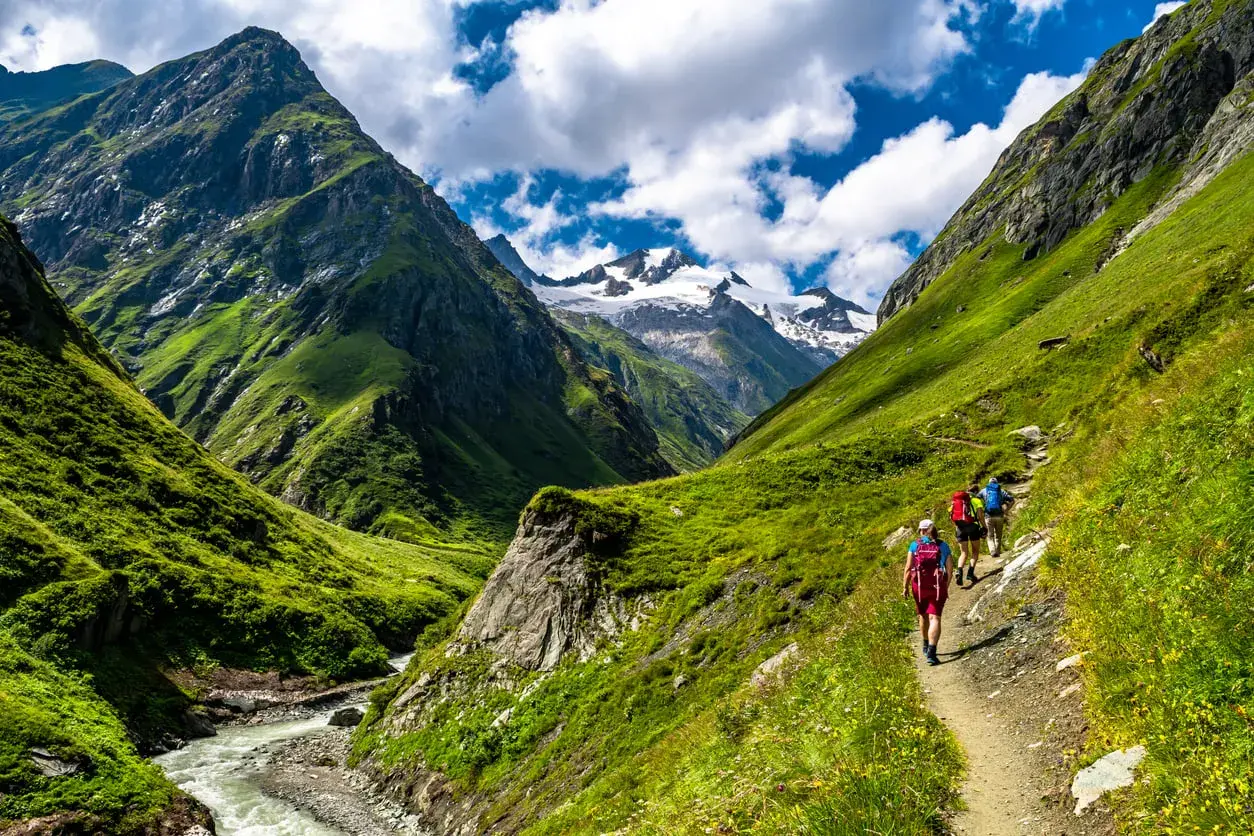
Some long distance hikes in Europe are built for first-timers; others demand alpine fitness, firm booking habits, and a tolerance for weather that changes by the hour. In this guide I break down the routes that actually matter, what makes them different, how hard they really feel on the ground, and how to choose one without turning the trip into a logistics puzzle. I am focusing on the trips people most often compare because that is usually where the real decision happens.
What matters most before you choose a route
- Terrain matters more than raw distance. 170 km in the Alps can be harder than 300 km on gentler paths.
- The West Highland Way and the Camino Frances are the easiest places to start. They give you the long-haul feeling without technical scrambling.
- The Tour du Mont Blanc is the classic alpine circuit. It is demanding, but the infrastructure is strong.
- The GR20 is the serious outlier. Choose it for challenge, not comfort.
- Via Alpina is best treated as a network of sections. It is too big to think about as one single holiday.
What people usually mean by a long European trek
When I talk about these routes, I do not mean one single style of walking. Some are pilgrimage routes that move from town to town with beds, food, and churches every day. Others are mountain circuits where the walking is only half the story and the ascent, exposure, and weather decide how the day feels.
That difference is the real filter. A route can be "long" because it covers a lot of ground, or because it asks for weeks of steady effort, or because it keeps you high in the mountains where every pass is a decision. If you understand which type you want, the shortlist gets much smaller very quickly.
In practice, I separate them into four families: cultural point-to-point walks, alpine loops, hard mountain traverses, and continental trail networks. That is the lens I use below, because the names matter less than the experience they create.
The routes that deserve a shortlist
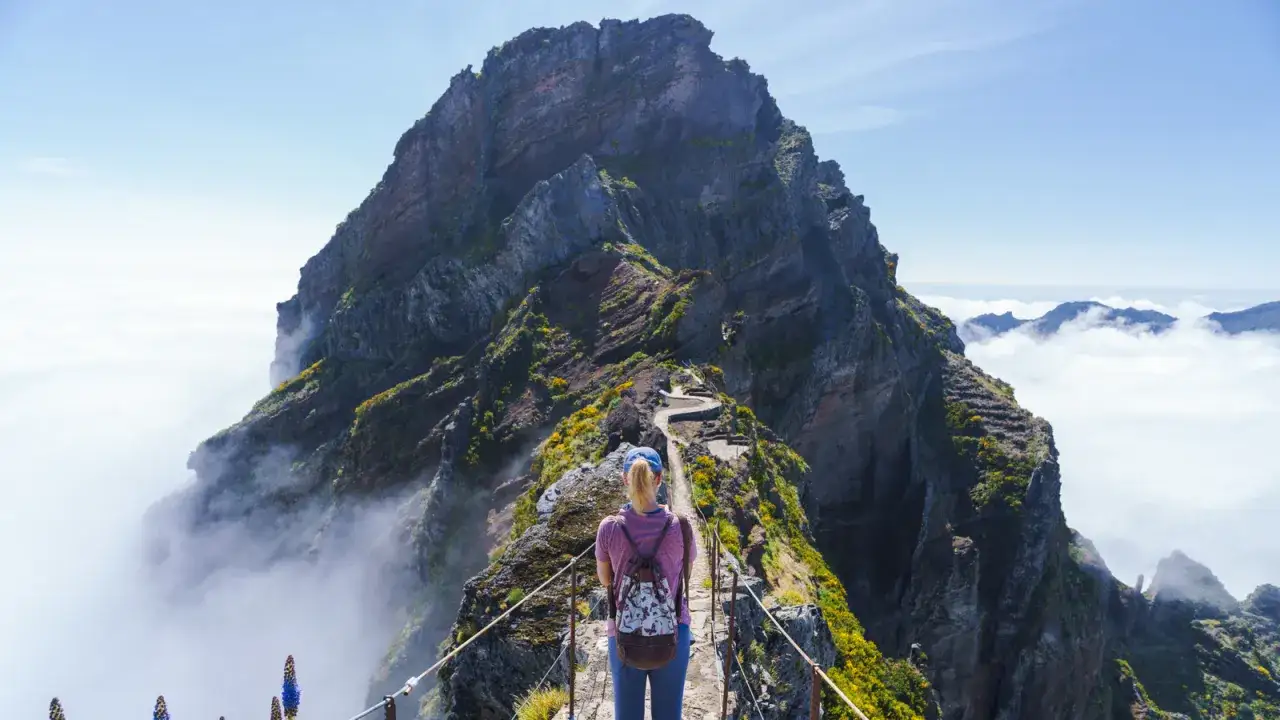
When the question is practical rather than purely inspirational, these are the routes I keep coming back to. They cover the main decision points: first big hike, classic alpine trek, serious mountain challenge, and the kind of trail network you can return to in pieces.
| Route | Typical scale | Why it stands out | What to watch |
|---|---|---|---|
| West Highland Way | 154 km / 96 miles, usually 5-8 days | A clean introduction to long-distance walking, with dramatic Scottish scenery and relatively simple logistics. | Weather, boggy ground, and long but manageable stages. |
| Camino Frances | About 780 km, usually 30-35 days | The best known pilgrimage walk in Europe, with strong infrastructure and a clear rhythm. | Crowds on the popular sections and a much more repetitive daily format than the mountain routes. |
| Tour du Mont Blanc | More than 170 km, usually 7-10 days | A true alpine classic that crosses France, Italy, and Switzerland while staying very well supported. | Steady up-and-down terrain and booking pressure in peak season. |
| GR20 | About 180 km, usually 15-16 stages | Europe's hard-edged mountain benchmark, with rocky ground and real physical demand. | Technical feel in places, limited flexibility, and a season that needs careful planning. |
| Via Alpina | Network of 5,000+ km and 342 day stages across 8 Alpine countries | The right choice if you want a modular project instead of one fixed itinerary. | Too large to treat as a single trip; better broken into sections. |
If I had to reduce the whole category to one sentence, it would be this: the best European trail is usually the one whose difficulty, shelter system, and stage length fit your calendar rather than your ego.
How to match the trail to your fitness and travel style
I do not think most hikers need more options. They need a cleaner decision rule. The right route depends on whether you want a first big trip, a mountain challenge, a cultural journey, or a trail you can return to over several seasons.
| If you want... | Pick this | Why it fits |
|---|---|---|
| A first long walk with straightforward logistics | West Highland Way | It feels substantial, but it does not punish you with technical terrain. |
| Big mountain scenery without the hardest possible route | Tour du Mont Blanc | It gives you classic alpine views and a strong hut network, which makes the experience smoother. |
| Culture, rhythm, and daily resupply | Camino Frances | The trail is long enough to feel transformative, but the infrastructure keeps the mental load low. |
| A true test of mountain fitness | GR20 | This is the route I would choose only if the challenge is part of the goal. |
| A bigger project you can build around work or multiple trips | Via Alpina | You can break it into sections without losing the sense that you are doing something serious. |
My rule of thumb is simple: if the route sounds beautiful but the daily climbs already feel uncomfortable on paper, it is probably not the right first choice. That does not make it a bad trail; it just makes it a better second or third mountain trip.
The planning details that change the whole trip
A lot of first-time mistakes happen before the hike starts. The route is rarely the problem. The timing, booking window, and daily pacing are what make the difference between a memorable trek and a week of damage control.
Season and weather windows
For lower, village-linked trails, spring and autumn are often the sweet spot. For alpine routes, late June through September is the safer window because snow, storm cycles, and open passes matter more than distance alone. Scotland is walkable outside that window, but the trade-off is simple: you are buying wilder weather, not avoiding it.
Daily mileage and ascent
I would think in ranges, not single numbers. On mixed terrain, 15-25 km a day is a realistic span for many hikers. In the mountains, 10-18 km can already be a full day if the route adds 700-1,200 m of climbing. That is why a route like the GR20 feels very different from a linear walk of the same total length.
Booking and shelter
Hut-to-hut routes are only flexible on paper if you can actually get beds. On the TMB and especially on the GR20, accommodation can determine your itinerary as much as your legs do. In 2026, the Corsican park notes that GR20 refuges are guarded from 16 May to 4 October and reservations are mandatory, which is exactly the kind of detail that changes how you plan.
Read Also: Bobotov Kuk Hike - Is it Worth the Effort? Your Guide
Navigation and support
Good waymarking is helpful, but it is not a substitute for offline maps, a GPX file, and a bit of redundancy. I also think it is worth being honest about comfort: baggage transfers, luggage-free stage walking, and pre-booked rooms can turn a good trail into a much better trip if you want to focus on the walking instead of the admin.
Once those basics are handled, the real question becomes cost and where people usually overspend.
Costs and mistakes that catch people out
Most people underestimate two things: how quickly costs rise once you add private rooms or baggage transfer, and how much energy they lose by carrying too much. The mistake is rarely "I did not spend enough"; it is usually "I paid for the wrong kind of comfort or started with the wrong route."
| Trip style | Rough planning range per day | What drives the cost |
|---|---|---|
| Budget self-supported | About EUR 50-100 | Dorm beds, simple meals, and a lighter approach to extras. |
| Mid-range self-guided | About EUR 100-200 | Private rooms, baggage transfer, and more predictable lodging. |
| Guided or hut-heavy alpine trip | About EUR 200-450+ | Guides, more remote accommodation, and peak-season pricing. |
Those are planning brackets, not fixed quotes. The exact number depends on season, country, and whether you are walking independently or using a supported itinerary. What matters is the pattern: alpine infrastructure is convenient, but convenience costs money.
- Do not choose a route by distance alone. Elevation gain can double the effort of a day.
- Do not assume beds will appear at the last minute. Peak season fills quickly on the best-known trails.
- Do not overload your pack. An extra kilo feels trivial on day one and annoying on day six.
- Do not plan around your best day. Plan around the hardest stage and the weather you would rather not get.
Once you take those mistakes off the table, the final decision gets a lot clearer.
How I would narrow the choice if this were my trip
If I were booking one of these trips for myself, I would start by asking one blunt question: do I want a walking holiday, or do I want a mountain test? That answer decides most of the route before any map does.
- Choose the West Highland Way if you want a first big trek that still feels accessible.
- Choose the Tour du Mont Blanc if you want the iconic alpine experience with solid support.
- Choose the Camino Frances if you want distance, rhythm, and culture more than technical terrain.
- Choose the GR20 if the challenge itself is part of the appeal.
- Choose Via Alpina sections if you want a route you can spread across multiple seasons.
My default recommendation for most readers is not the hardest trail or the longest one; it is the one whose logistics let you enjoy the walking instead of negotiating with the trail every day. If you narrow the decision to scenery, terrain, and shelter, the right route usually reveals itself quickly.