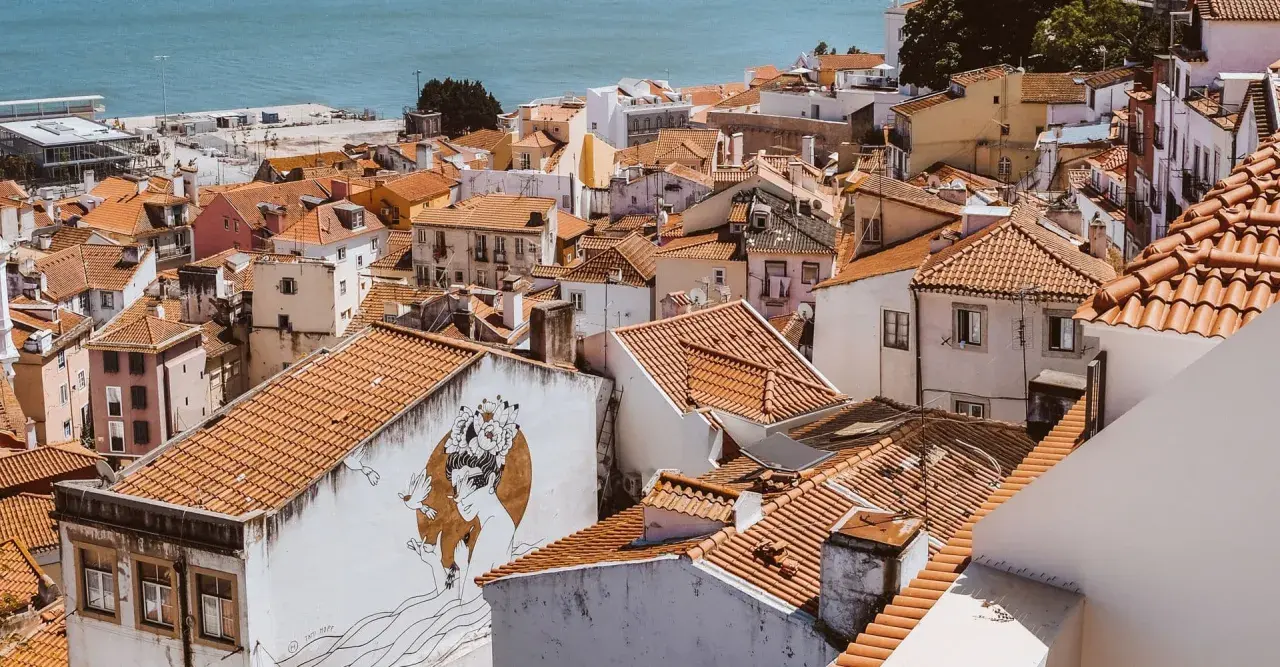
Alfama is one of Lisbon’s most atmospheric districts, but its charm comes with a practical question: is Alfama Lisbon safe enough for a relaxed city break? My answer is yes for most travelers, but only if you treat it like a busy historic neighborhood rather than a sleepy village. In this guide I’ll break down the real risks, what changes after dark, and how to decide whether Alfama is the right base for your trip.
What matters most before you book Alfama
- Overall risk is low for ordinary sightseeing; the main issue is opportunistic theft, not violent crime.
- Crowded trams, viewpoints, and narrow tourist lanes are where you need the most attention.
- Alfama is more demanding than dangerous because of its hills, stairs, and cobblestones.
- It is a strong choice for atmosphere, but not the easiest base for luggage, strollers, or mobility concerns.
- After dark, I would stick to main routes and use a taxi or ride-hail if a street feels empty.

Why Alfama feels safe to most visitors
Alfama does not feel tense in the way genuinely rough districts do. It is busy, lived-in, and full of visitors during the day, so the atmosphere is more watchful than threatening. The main reason I call it safe is simple: the usual problem here is opportunistic theft, not people looking for trouble.
The U.S. State Department currently rates Portugal at Level 1, and Travel.gc.ca says petty crime is the main concern in Lisbon’s tourist areas, especially on trams and around popular lookouts. That matches what I would expect in Alfama. The district itself is not the issue; distraction is. If you keep your bag zipped and your phone out of easy reach, daytime walking is usually straightforward.
That distinction matters, because a safe neighborhood can still be a place where you lose attention. Next, I want to get specific about where that usually happens.
Where the real risks show up in Alfama
The risk profile is pretty clear once you know what to watch for. The busier the spot, the more I treat it like a pickpocket zone. Tram 28 is the classic example, but the same logic applies to crowded viewpoints, market edges, and any place where visitors stop to take photos or check directions. In Lisbon, the general caution extends to trams 15, 25, and 28, so I treat the whole tram scene as a place to stay alert.
| Situation | Risk level | What I would do |
|---|---|---|
| Crowded trams and stops | Highest for petty theft | Keep a crossbody bag in front, zip it, and avoid standing with valuables loose. |
| Viewpoints and photo stops | Moderate | Do not set your phone or camera down while you enjoy the view. |
| Restaurant terraces and café tables | Moderate | Keep your bag on your body or between your feet, not on the back of a chair. |
| Quiet side streets after dark | Low to moderate | Use main roads or take a short ride home if the lane feels empty. |
| Steep cobbles and stairs | Physical rather than criminal | Wear shoes with grip and take your time, especially in rain or heat. |
I separate crime risk from comfort risk because both matter on a trip. Alfama is not inherently unsafe, but it can punish anyone who underestimates the terrain or leaves valuables exposed. Once you know the pressure points, the day-versus-night question becomes much easier to answer.
What changes after dark
Alfama after sunset is different, but it is not automatically risky. The streets get quieter once the day-trippers leave, which is exactly when I become more selective about which lanes I use. If a route looks empty, steep, and badly lit, I take the longer main-road option without thinking twice.
Early evening
This is the easiest time to enjoy the district. Dinner, a fado show, and a short walk back to your accommodation are all reasonable on active routes with other pedestrians. I would not hesitate to walk from a restaurant to a nearby hotel if the street is busy and I know the way.
Read Also: Italy Road Trip Planning - Routes, Costs and Mistakes to Avoid
Late at night
After the neighborhood thins out, I lower the bar for using a taxi or ride-hail. That is not because I expect trouble; it is because tired travelers make bad decisions on steep cobbles, and empty streets make those mistakes more expensive. If you are alone, I would keep the walk home short and obvious rather than clever and scenic.
That leads directly to the bigger planning question: whether Alfama suits your trip style in the first place.
Is Alfama a good base for your trip style
For many Lisbon trips, the better question is not just whether the district is safe, but whether it fits the way you like to travel. Alfama is a strong choice if you want character, views, and the feeling of staying inside the old city. It is a weaker choice if you want flat walks, easy taxi access to your door, or a base that handles heavy luggage gracefully.
| Trip style | How Alfama fits | My take |
|---|---|---|
| Couples and first-time visitors | Very good | The atmosphere is hard to beat, and it works well for slow mornings and scenic evenings. |
| Solo travelers | Good with normal caution | Stay on the main routes at night and avoid overpacking valuables. |
| Families with strollers | Mixed | The hills, stairs, and cobbles make daily movement more tiring than in flatter districts. |
| Mobility-limited travelers | Poorer fit | This is more about terrain than safety, but it changes the whole stay. |
| Nightlife-focused trips | Better elsewhere | Baixa, Chiado, or Cais do Sodré usually make more sense. |
If your trip is built around wandering, photography, and long meals, Alfama is easy to recommend. If your trip is built around speed and convenience, I would look elsewhere. If it does suit your style, a few habits make the stay feel even easier.
How I would move around Alfama without overthinking it
The safest way to enjoy Alfama is not complicated. I use the same habits here that I use in any dense European old town, but I am stricter on a few points because the streets are narrow, the tram is crowded, and the walking surface can be uneven.
- Keep your bag in front of you on busy trams and at viewpoints.
- Zip everything; open tote bags and half-open backpacks are easy targets.
- Use ATMs in well-lit, indoor locations instead of isolated street machines.
- Separate your passport, cards, and spare cash so one loss does not ruin the trip.
- Choose a taxi or ride-hail at the end of a long day, especially if the last stretch is steep or empty.
- Wear shoes with real grip; cobbles and stairs are a comfort issue until they become a slip issue.
- Keep your phone away from the street edge when you are taking photos at viewpoints.
Those habits sound simple because they are, and that is exactly why they work. Most trouble in Alfama is preventable when you do not make yourself an easy target. The last thing I check is the accommodation itself, because that is what changes the experience the most.
The booking details that matter more than most people expect
When I help someone decide on Alfama, I focus less on the neighborhood name and more on the exact address. A room on a main street close to a tram stop or a direct car drop-off point is much easier than a charming apartment halfway up a stair-filled lane. The difference is not just convenience; it shapes how safe and relaxed the stay feels when you return at night or arrive with bags.
- Check whether the property requires a long stair climb.
- Look at the nearest route to the door, not just the neighborhood name.
- Read recent reviews for comments about noise, access, and nighttime walk-backs.
- If you plan to arrive late, confirm the best transfer option in advance.
- If mobility matters, prioritize access over the most scenic lane.
My bottom line is straightforward: Alfama is safe enough for most visitors and rewarding enough that I would still stay there, but I would stay there with urban awareness, not with blind trust. For a Lisbon trip built around atmosphere, history, and scenic wandering, that is a tradeoff worth making.