
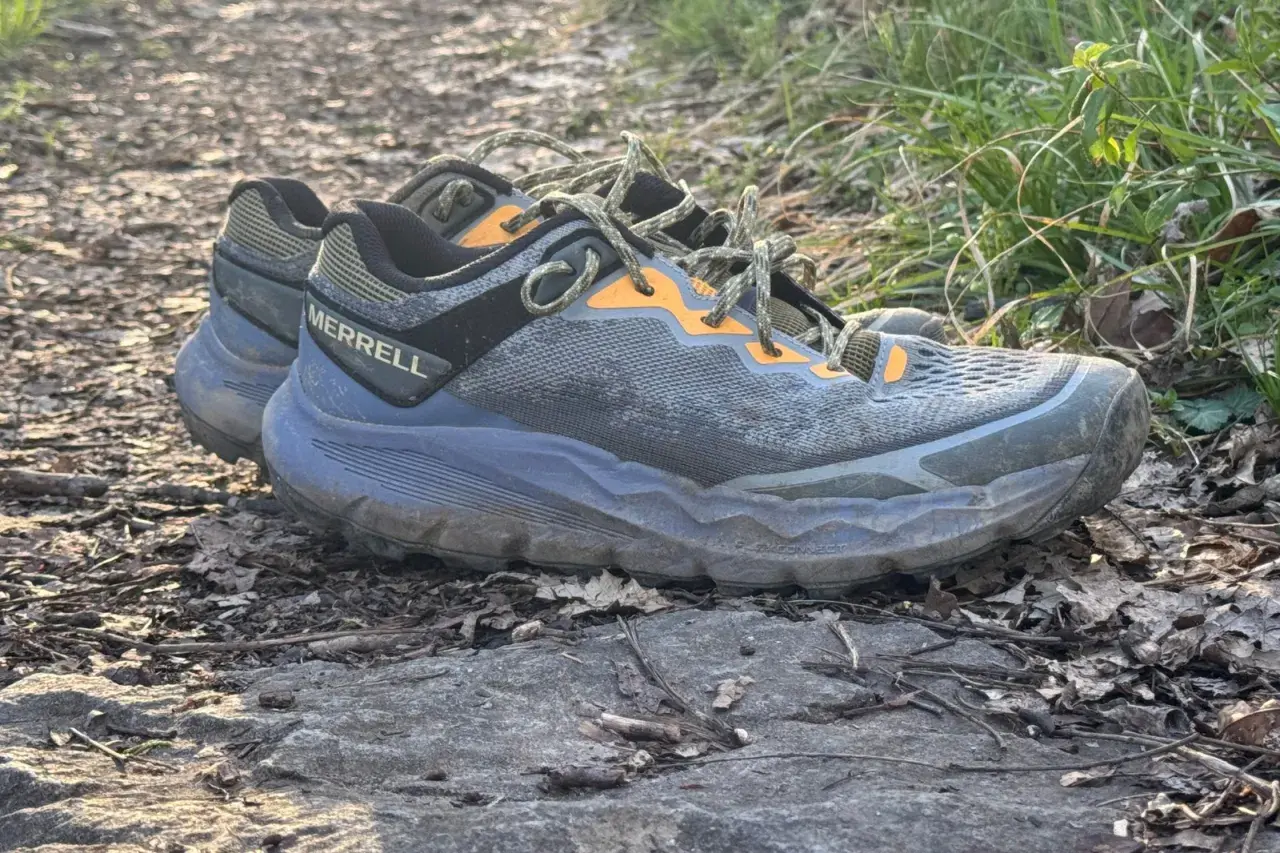
The Merrell Nova 4 sits in a useful middle lane: light enough for fast day hikes, cushioned enough for long walks, and casual enough to wear off the trail without looking like a specialist race shoe. In practice, that makes it interesting for hikers who split time between forest paths, gravel routes, travel days, and easy trail runs. I’ll break down what it is built for, how it feels underfoot, where it makes sense, and when I would choose the waterproof version instead.
Key facts that decide whether this shoe fits your hikes
- Merrell currently lists the standard shoe at $104.99 on sale from $140 in the US, with a waterproof version at $119.99 on sale from $160.
- It uses an 8 mm drop, 4 mm lugs, a FloatPro midsole, and a Quantum Grip outsole, so the ride is more comfortable than technical.
- I would treat it as a moderate-trail shoe for day hikes, light trail running, travel, and casual wear.
- The fit leans roomy in the toe box, and the US site offers medium and wide widths.
- The standard model breathes better; the waterproof model makes more sense for wet mornings, rain, and slushy shoulder seasons.
- If you carry a heavy pack or spend a lot of time on sharp, technical terrain, I would move up to a burlier hiking shoe or boot.
The details below are where the shoe really earns or loses trust: fit, cushioning, traction, and whether you actually need the waterproof shell.
What the Merrell Nova 4 is designed to do
Merrell frames the Nova 4 as a versatile trail runner for moderate trails, loose terrain, and everyday obstacles, and that is the right lens. I would not read it as a hard-charging technical shoe or a boot substitute; I’d read it as a light, comfortable option for hikers who want speed, flexibility, and enough protection for normal trail days. It also has enough polish to move off the trail, which matters if your hiking days include travel, town stops, or scenic walks that start on pavement and end on dirt.
That positioning makes the rest of the spec sheet easier to understand, so I’d look at the numbers next.
The specs that explain the ride
Here is the part that matters if you want a shoe that feels good in motion, not just on a product page. None of these details is flashy, but together they tell me exactly where the Nova 4 lives.
| Spec | What Merrell lists | Why it matters |
|---|---|---|
| Weight | About 261 g, or just under 10 oz, per shoe | Light enough for day hikes and travel without feeling fragile. |
| Drop | 8 mm | Usually feels friendly for heel strikers and hikers coming from road shoes. |
| Lug depth | 4 mm | Good for dirt, gravel, and moderate mud, but not aggressive enough for deep sludge. |
| Stack height | 29-21 mm | Enough cushioning for long days, without the tall, marshmallow feel of a max-cushion shoe. |
| Midsole and outsole | FloatPro foam, Quantum Grip rubber, FLEXconnect grooves | That combination aims for comfort, traction, and a bit of flexibility rather than race-day snap. |
| Fit options | Medium and wide widths | Useful if standard trail shoes usually feel narrow through the forefoot. |
My read is simple: this is a cushioned, moderately flexible trail runner with enough structure for long day hikes, but not the kind of underfoot armor I’d want for sharp alpine scree or a heavy pack. That tradeoff matters most on real terrain, which is where I’d test it next.
Where it works best on real trails and hikes
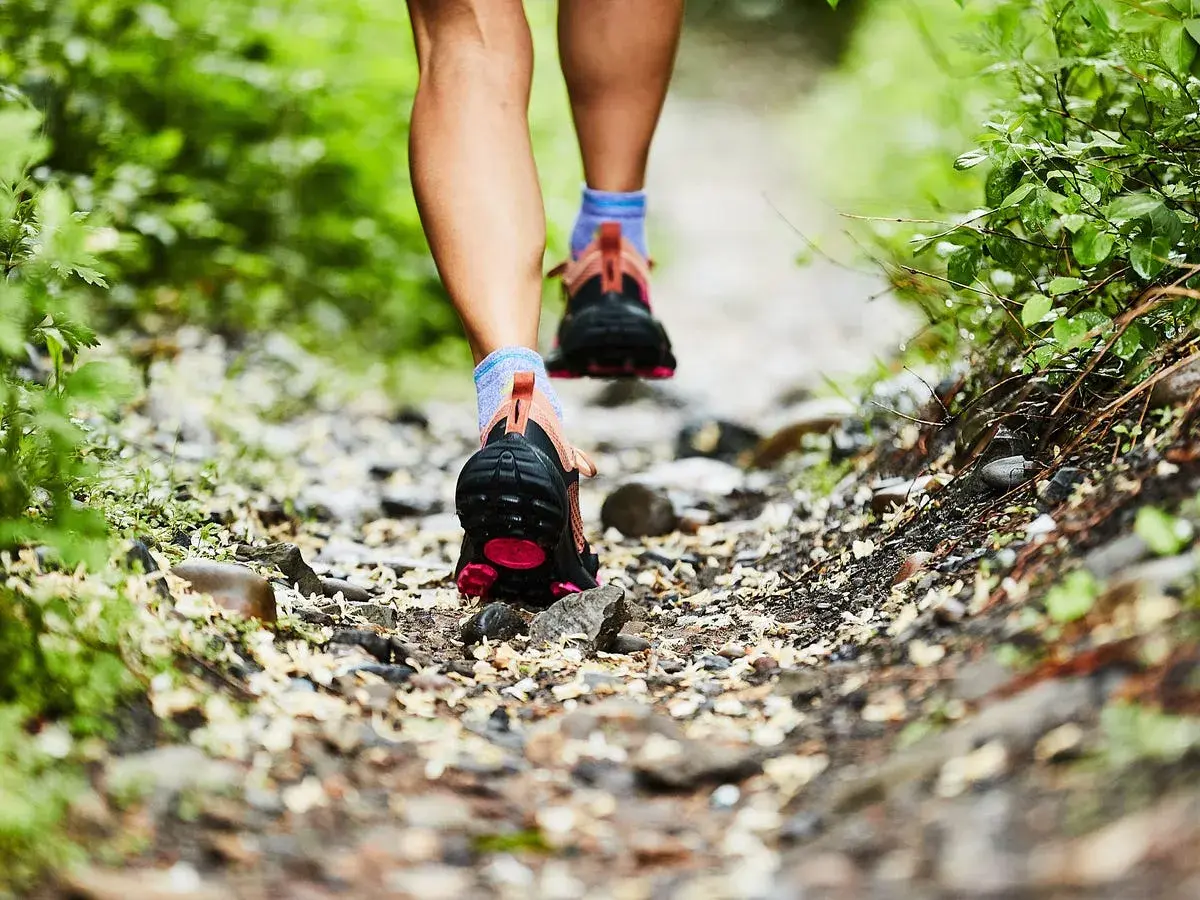
This is the section that separates a good all-rounder from a shoe that only sounds good in theory. On packed dirt, gravel, forest tracks, and coastal paths, the Nova 4 should feel easy and controlled. For the kind of scenic, mixed-surface walking that often starts on pavement and ends on trail, it makes a lot of sense.
I also like it for moderate hikes where you want less weight on your feet and more natural flex underfoot. The 4 mm lugs give you enough bite for normal trail surfaces, but they are not the deep, aggressive lugs I would want in heavy mud or slick alpine slop. That is not a flaw so much as a clue about the shoe’s lane.What it does not give you is the planted, armored feel of a true hiking boot or a technical hiking shoe with more protection. If I were carrying a heavier pack, spending time on sharp stone, or expecting constant wet rock, I would want something stiffer and more protective. Fit is the next part of the decision, because comfort on paper means little if the shoe sits wrong on your foot.
Fit, sizing, and comfort notes
The fit is one of the shoe’s strongest selling points. The toe box runs roomy enough for natural splay, the heel holds better than the generic shape might suggest, and the US site offers both medium and wide widths. I would start true to size unless I already knew I needed a very specific length adjustment in Merrell trail shoes.
- Choose the wide option if your forefoot usually feels squeezed in standard trail shoes.
- Expect a breathable upper, which is a plus in warm weather but less forgiving when you want a locked-in, race-like fit.
- The 8 mm drop usually feels friendly for heel strikers and for hikers coming from road shoes.
- If you dislike a shoe that gently pushes you forward, try it on before committing; the geometry is supportive, but not subtle.
The comfort story is solid rather than flashy, and that brings up the decision between the standard and waterproof versions.
Standard or waterproof version
If you hike in a place where mornings start wet and afternoons dry out, this choice matters more than people admit. The standard shoe is lighter and breathes better, while the waterproof version adds a membrane that seals out water and still allows some moisture to escape.
| Factor | Standard | Waterproof | My take |
|---|---|---|---|
| Price | $104.99 sale price | $119.99 sale price | The waterproof premium is modest, but it is still worth paying only if you need it. |
| Weight | About 261 g per shoe | About 280 g per shoe | The difference is small on paper, but the standard pair feels easier in hot weather. |
| Ventilation | Better airflow | Less airflow | Choose the standard version if you run warm or hike mostly in dry conditions. |
| Wet-weather use | Dries faster | Better for rain, wet grass, and slush | The waterproof version earns its keep in shoulder seasons and damp climates. |
If I had to choose for most hikers in the US, I would start with the standard shoe. I would move to the waterproof pair only if rain, puddles, wet grass, or colder shoulder-season hiking are regular parts of the plan. That leaves the final question: who is this actually for?
Who should buy it and when I’d pass
I’d buy it if I wanted one shoe that could handle day hikes, travel, and occasional trail runs without feeling overbuilt. I’d also buy it if I prefer a bit more heel-to-toe drop and a fit that leaves room up front for natural toe movement.
- Good fit for moderate day hikes on dirt, gravel, and mixed-surface paths.
- Good fit for travel days when you want one shoe that can do city walking and a short trail detour.
- Good fit if you prefer a lighter, simpler shoe over a bulky hiking boot.
- Not a great fit if you want strong protection for sharp rock, deep mud, or winter conditions.
- Not a great fit if you carry a heavy pack and need more structure underfoot.
- Not a great fit if you want a very springy, high-energy trail ride.
If your hiking usually stays in the moderate lane, the Nova 4 is easy to recommend. If your idea of a good trail day involves wet scree, deep mud, or a full pack, I would choose a more protective hiking shoe or boot instead. That leaves only one question: how do you get the most from it once you own it?
Small setup choices that make it work better
A shoe like this rewards simple, practical tweaks more than complicated gear theory. A few small choices can make it feel more secure and more useful on real hikes.
- Use a heel-lock lacing pattern on long descents if you feel any rearfoot slip.
- Wear a midweight hiking sock if you want a little more friction control and comfort on longer days.
- Let the mesh dry fully after wet use; the standard version is best when it can breathe.
- Keep the shoe in its lane: moderate hikes, mixed surfaces, travel, and light trail running.
- If you know you want more rock protection, buy that protection up front instead of trying to force it out of a lighter shoe.
For the right hiker, that is the appeal: it is straightforward, comfortable, and versatile without pretending to be a mountain specialist. If I were buying one pair for mixed hiking, travel, and occasional trail runs, I would start with the standard version and only move to the waterproof one if wet conditions are a regular part of the trip.
