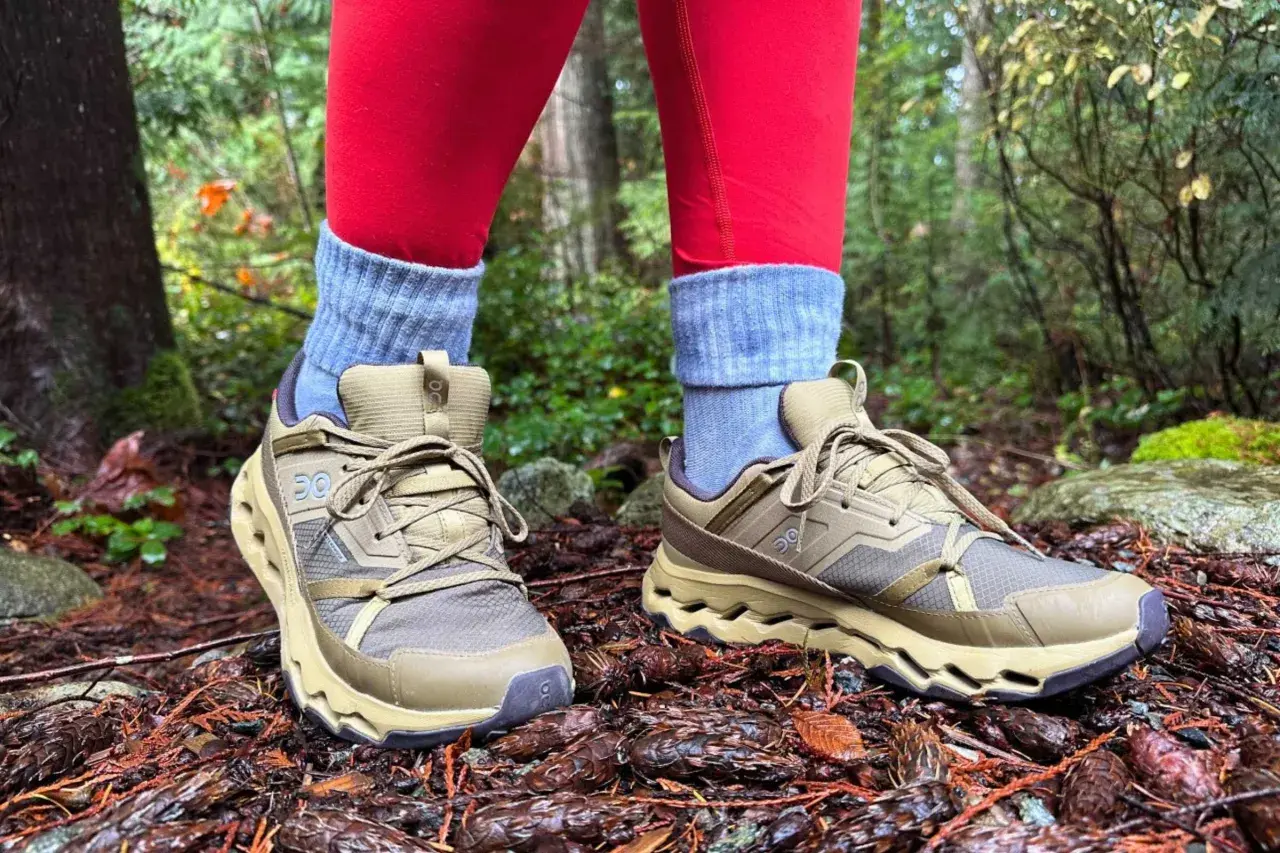
Choosing hiking footwear is less about brand loyalty and more about matching the shoe to the trail. The real question is what kind of hiking shoes do I need for the terrain, weather, and distance I actually plan to cover? If you get that part right, your feet stay happier on everything from a damp walk in Asturias to a long descent in the Alps. In practice, the best answer usually comes from a mix of traction, protection, breathability, and fit.
The right pair depends on trail, weather, and load
- Light, well-kept trails usually call for trail runners or light hiking shoes.
- Rocky, muddy, or steep routes benefit from more structure and a grippier outsole.
- Heavy packs and cold, wet conditions still make boots worth considering.
- Waterproof membranes help in rain and slush, but they run warmer and dry slower.
- Fit matters more than features: heel hold, toe room, and sock choice decide comfort fast.
Start with the trail, not the label
When I help someone choose hiking footwear, I start with the route before I look at the shoe. REI’s current guidance follows the same logic: terrain, weather, and pack weight should drive the decision more than marketing terms. A smooth forest path and a steep, rocky climb do not ask the same thing from your feet, even if both count as a hike.
If your hikes are mostly maintained paths, you do not need a heavy boot. If you regularly step over roots, cross slick stone, or descend long uneven slopes, the shoe needs more grip and more protection. Add rain, mud, or cold, and the balance shifts again. That is why a shoe that feels perfect on a dry Saturday walk can feel completely wrong on a wet, technical route.
I also think about how much time you will spend on your feet. A short local hike is forgiving. A five-hour mountain day with repeated descents exposes weak cushioning, poor fit, and sloppy heel hold very quickly. Once you read the trail correctly, the category choice becomes much clearer, which is why I look at the main footwear options next.
The main footwear options and when each one makes sense
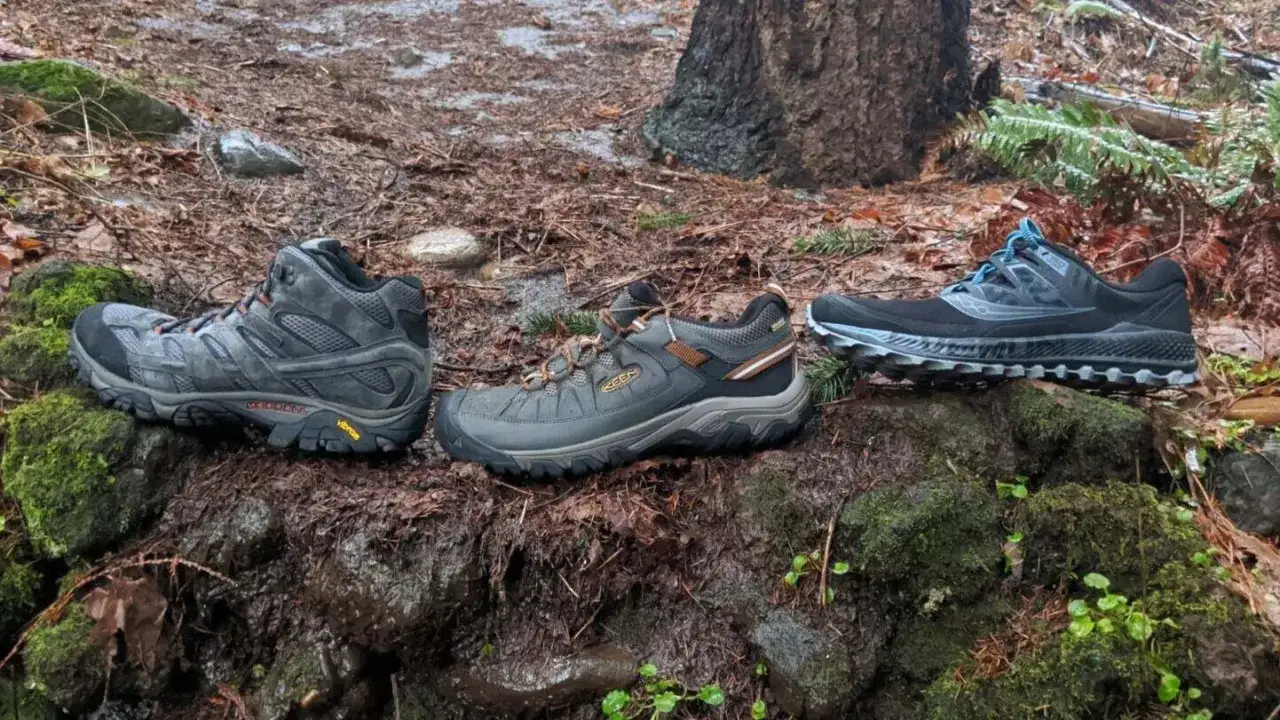
Most hikers are choosing between three real options: trail runners, hiking shoes, and boots. Each one can work. The mistake is assuming the heaviest option is always the safest, or that the lightest option is always enough.
| Footwear type | Best for | Why I reach for it | Main trade-off |
|---|---|---|---|
| Trail runners | Fast day hikes, dry trails, warm weather, light packs | They are light, flexible, and breathe well. On easy-to-moderate terrain, that comfort adds up over long miles. | Less protection from sharp rock, roots, and repeated toe strikes. |
| Hiking shoes | Most day hikers, mixed terrain, weekend trips, rocky paths | They sit in the middle: more structure and protection than a trail runner, but less bulk than a boot. | Not as airy as trail runners and not as protective as a full boot. |
| Hiking boots | Heavy packs, rough terrain, cold or wet conditions, frequent off-trail steps | They offer more coverage, a sturdier platform, and better durability when the ground gets demanding. | Heavier, warmer, and slower to dry. |
For many hikers, especially people who split their time between town walks and trail days, a hiking shoe is the most balanced choice. It gives enough confidence for uneven ground without feeling like you are hauling bricks. Boots still have a place, but they are best seen as a specialist tool, not the default answer for every hike. The right category is only half the job, though, because the construction details underneath matter just as much.
The features that actually matter underfoot
I pay attention to a few details every time, because they make a bigger difference than logo placement or color.
- Outsole and lugs - The outsole is the bottom layer of the shoe, and the lugs are the raised tread blocks. Deeper lugs usually bite better into mud, wet grass, and loose gravel.
- Midsole stiffness - The midsole sits between your foot and the outsole. A stiffer midsole feels less flexible but can reduce foot fatigue on rocky terrain and with a heavier load.
- Upper material - Mesh breathes and dries quickly. Leather and reinforced synthetics hold up better against abrasion and toe scuffs, but they usually feel warmer.
- Waterproofing - A waterproof membrane helps when you hike in rain, wet grass, or slushy shoulder-season conditions. The trade-off is slower drying and less ventilation.
- Toe box and protection - A roomy toe box lets your toes spread naturally on descents, and a protective rand helps against stone and roots. A rand is the tough strip around the lower part of the shoe.
- Weight - Lighter footwear usually feels better over distance, but only if it still gives you enough grip and structure for the trail you actually hike.
There is a useful rule here: the more technical, wet, or uneven the route, the more value I place on grip and protection; the hotter and more straightforward the route, the more I care about ventilation and weight. That trade-off leads directly into fit, because even the right feature set fails when the shoe does not sit correctly on your foot.
How to fit hiking footwear correctly
Fit is the part many hikers underestimate, and it is the part that ruins the most otherwise decent purchases. A shoe can have excellent traction and still give you blisters if the heel slips or the forefoot pinches.
- Shop later in the day when your feet are a bit larger. Feet swell during the day, and that is closer to hiking conditions.
- Wear the socks you will actually hike in. Thin everyday socks can make a shoe feel better in the store than it will on trail.
- Check heel hold. Your heel should feel secure without rubbing hard or lifting every time you step.
- Leave toe room. I like roughly a thumb’s width in front of the longest toe, especially if you go downhill a lot.
- Watch for width problems. Numb toes, hot spots, or pressure on the sides are warning signs, not something you should “break in” and hope away.
- Walk more than once. A shoe that feels fine standing still may fail after 20 to 30 minutes of movement.
I do not expect a modern hiking shoe to require a painful break-in period. It should feel close to right from the start. If it feels suspicious in the store, it usually gets worse on trail, not better. Once the fit is right, I narrow the choice by hiking style and weather rather than by brand names.
Choose the shoe for the kind of hiking you actually do
People often buy footwear for the hike they imagine they might do someday, not the one they do most weekends. That is how they end up with the wrong compromise.
- Easy local trails and paved approaches - Trail runners or light hiking shoes usually make the most sense. You get comfort without unnecessary bulk.
- Mixed terrain with rocks, roots, and mud - A standard hiking shoe is often the sweet spot. It keeps the ride light while adding enough structure for rougher ground.
- Wet climates and shoulder seasons - Waterproof hiking shoes can be a smart move if you hike in rain, wet grass, or cold drizzle for hours at a time. That said, they are not always the best choice in hot weather.
- Hot summer hikes and stream crossings - Breathable, non-waterproof footwear usually dries faster and feels much better once the temperature climbs.
- Heavy packs and long descents - A boot or a very supportive hiking shoe starts to make more sense when stability matters more than speed.
- Rocky European mountain paths - On routes like the Picos de Europa, the Dolomites, or other sharp, uneven terrain, I want more toe protection and a more confident outsole than I would on a flat woodland path.
The key is honesty. If most of your hiking is moderate, do not buy for extreme alpine conditions you may never face. If your local routes are wet, steep, and technical, do not talk yourself into a flimsy shoe because it feels nice on carpet. That brings me to the mistakes I see most often, and they are expensive in both comfort and money.
Common mistakes that make good shoes feel bad
Some bad shoe choices come from bad fit, but many come from simple assumptions that sound reasonable until you hit the trail.- Choosing the heaviest boot because it looks serious - More bulk does not automatically mean better hiking. It often just means more fatigue.
- Buying for waterproofing alone - Waterproof footwear helps in the right conditions, but it can feel hot and clammy on dry summer hikes.
- Ignoring width and toe box shape - A narrow shoe can feel fine for ten minutes and miserable after an hour downhill.
- Testing only on flat floors - Real hiking includes slopes, uneven ground, and repeated toe flex. A short indoor walk is not enough.
- Assuming ankle height solves stability - A higher collar can feel reassuring, but balance still comes mostly from fit, platform shape, and how you move.
- Wearing cotton socks - Cotton holds moisture, and moisture is the fast lane to blisters.
Most of these mistakes are avoidable if you slow the decision down for a few minutes and test the shoe the way you will actually use it. If you want the shortest possible rule for choosing, I keep it simple.
The shortest decision rule I would use for most hikers
If I had to choose one pair for a broad mix of hiking, I would usually start with a light-to-midweight hiking shoe. It gives enough traction and protection for uneven ground without the weight penalty of a boot, and it works well for many day hikes and travel days where the trail is only part of the plan.
I would move up to a boot only when the route is rough, the pack is heavy, or the weather will stay wet and cold for hours. I would move down to a trail runner when speed, breathability, and comfort matter more than protection. That simple framework is enough to narrow the field quickly without getting lost in brand hype or overbuilt features.
For most people, the right answer is the pair that fits securely, leaves room for toes on the descent, and matches the kind of ground you actually hike. If the shoe disappears after the first mile, you chose well; if you keep thinking about your feet, you probably did not.