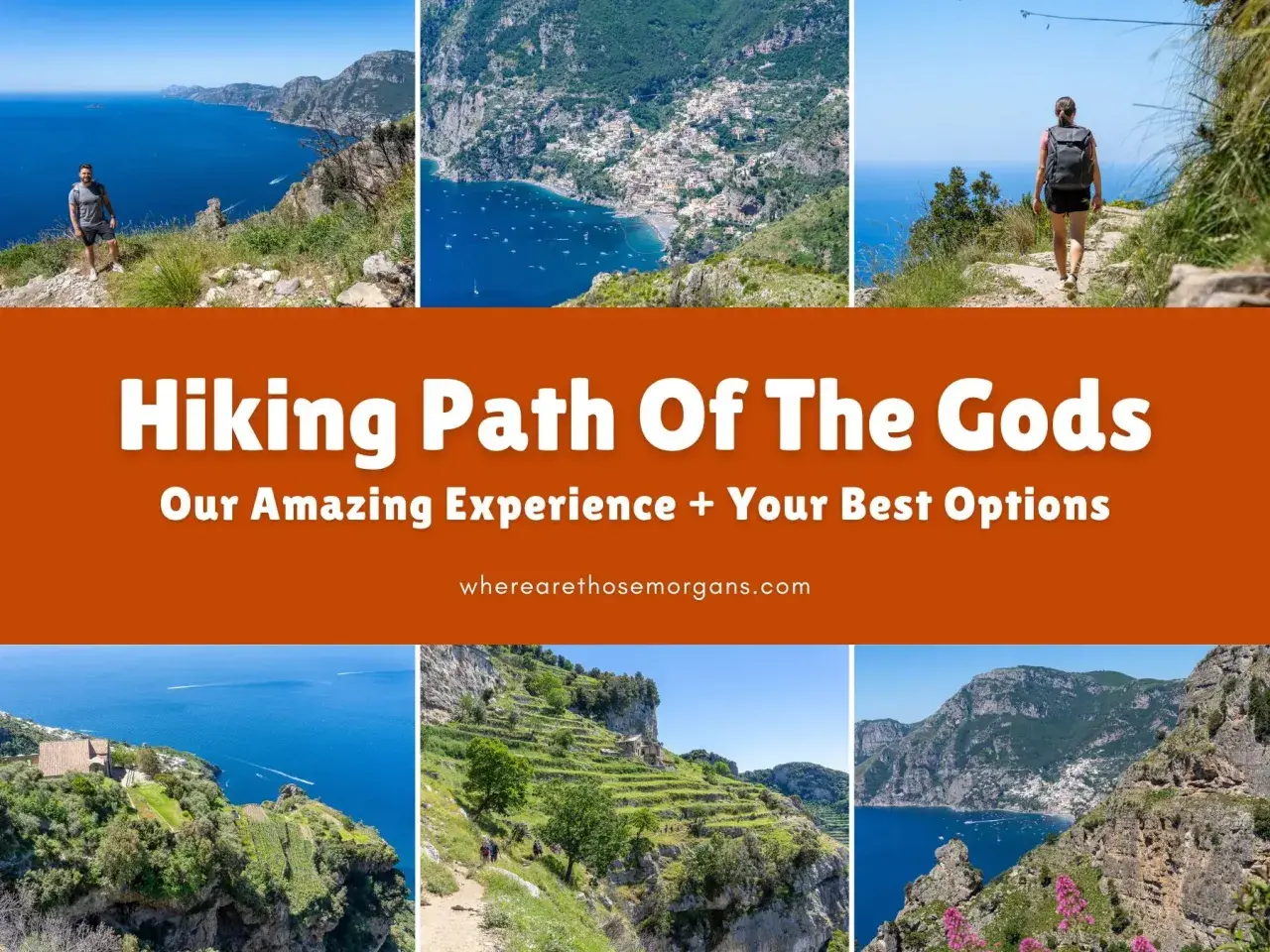
Key things to know before you go
- The main Bomerano-to-Nocelle section is usually a moderate hike, not a technical one.
- The biggest risks are slips, heat, and the steep stair routes down to Positano or up from Praiano.
- Dry weather and good footwear matter more than advanced hiking experience.
- If you have vertigo, unstable ankles, or knee pain, the trail can feel much harder than it looks on a map.
- The safest version is to start early, walk from Bomerano toward Nocelle, and avoid the trail in rain or fog.
The short answer is that it is manageable, not reckless
I would not call the Path of the Gods a dangerous hike in the alpine or mountaineering sense. There is no rope work, no real scrambling, and no need for specialist gear. What makes people uneasy is the combination of narrow stretches, open views over steep drops, uneven stone, and the fact that fatigue can build faster than expected on a hot day.For a healthy adult who walks regularly, the trail is usually a very doable day hike. For someone who dislikes heights, underestimates the stairs, or sets off in poor weather, it can feel much more serious. That difference is why the trail has such a split reputation: one hiker calls it easy, another calls it nerve-racking, and both can be telling the truth.
What makes the trail feel risky
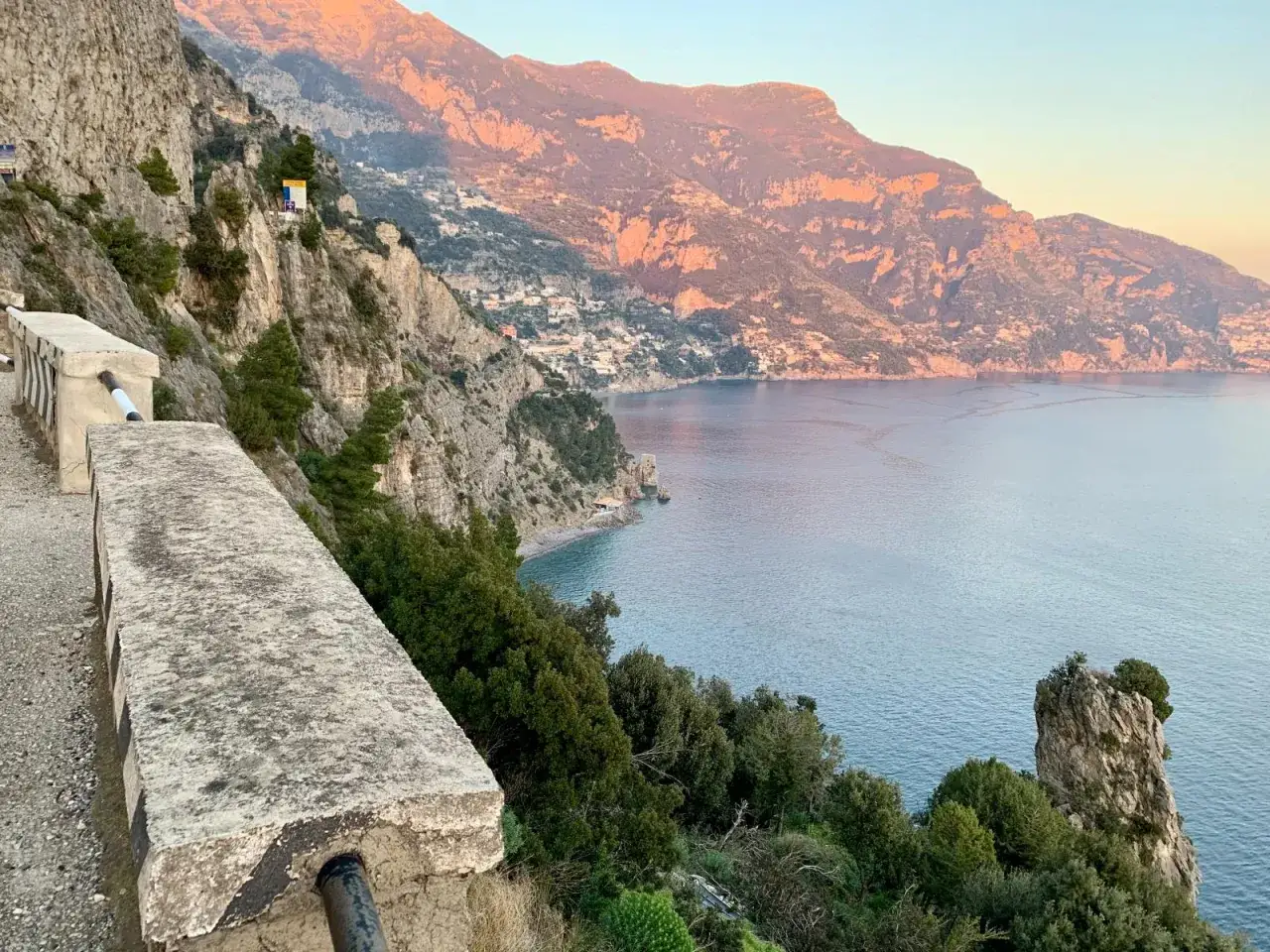
The main trail is famous for its views, but the features that create those views are also the things that create risk. You are walking on mountain terrain that happens to overlook the sea, not on a paved coastal promenade. That means the trail can be rough underfoot, exposed to the sun, and psychologically unsettling if you are sensitive to drop-offs.
- Uneven footing. The path includes stone, dirt, and patches of loose gravel, so careless steps can lead to a twisted ankle even when the hike itself is not technically hard.
- Open exposure. Some sections feel airy and unprotected, especially if you are close to the edge and looking down.
- Steep connectors. The stairways to and from Positano and Praiano are often harder on the body than the main traverse.
- Heat and fatigue. Sun, dehydration, and tired legs make simple footing mistakes more likely.
There is also a mental factor people underestimate. On a cliffside route, a mildly tricky step feels more serious than it would on a forest trail because the consequence of a stumble feels bigger. That does not make the trail hazardous by default, but it does mean you should treat it with more respect than a casual sightseeing walk. From here, the bigger question is not just what the terrain looks like, but who will actually enjoy it.
Who should think twice before going
Some hikers will have a perfectly good day on this trail; others will spend the whole time tense. I would be especially cautious if any of the following apply to you.
- You have vertigo or a strong fear of heights. The exposed sections are manageable for many people, but they are not ideal if looking over an edge makes you freeze.
- You have weak knees, ankle issues, or recent injuries. The stairs and rocky ground put more stress on joints than the distance alone suggests.
- You are hiking with very young children. The route is not technical, but the drops are real and children do not always stay centered on the path.
- You are expecting an easy walk in regular shoes. Sneakers can work if they have decent grip, but flimsy soles or sandals are a poor idea.
- You are short on time and tempted to rush. Rushing is one of the fastest ways to make an easy trail feel unsafe.
How to make the hike safer
The good news is that most of the risk is manageable. A few practical choices make a large difference, and none of them are complicated.
- Start early. Morning light is better, temperatures are lower, and the trail is usually calmer before the crowds build.
- Walk from Bomerano toward Nocelle. That direction gives you the most forgiving version of the route because the main section feels gentler downhill.
- Wear real footwear. Trail shoes or sturdy walking shoes with grip are ideal; smooth soles are not.
- Carry enough water. In warm weather I would plan on roughly 1.5 to 2 liters per person, more if you are hiking in heat or stopping less often.
- Check the weather before you leave. Rain, damp rock, and low visibility change the trail more than many travelers expect.
- Bring sun protection. A hat, sunscreen, and light clothing matter because long exposed stretches can drain you quickly.
- Use the bus for the stair-heavy finish if needed. There is no prize for forcing a knee-punishing descent when a simpler return is available.
Route choice changes the risk more than most people think
When people talk about the Path of the Gods, they often mean the classic Bomerano-to-Nocelle section. In practice, there are several ways to combine the trail with village stairs and bus connections, and those choices have a real effect on safety and comfort.
| Route | Effort level | Main risk | Best for | My take |
|---|---|---|---|---|
| Bomerano to Nocelle | Moderate | Uneven ground and exposure | Most first-time hikers | The safest standard choice because it is the least punishing on the legs |
| Nocelle to Positano | Hard on knees | A very long stair descent, about 1,700 steps | Fit walkers who want to finish in Positano | Scenic, but the stairs can feel endless after a long hike |
| Praiano connection | Strenuous | Rough stair approach and extra climbing | Strong hikers staying in Praiano | Doable, but more demanding than many travelers expect |
| Upper variant | Harder | Rougher surface and steeper character | Experienced hikers wanting a bigger challenge | Worth it only if you want the extra effort |
The table tells the real story: the trail is not one single difficulty level. If you pick the classic downhill approach, the hike is usually reasonable for active travelers. If you add long stair descents or steep village approaches, the physical cost rises fast. That is why weather deserves its own section, because it can turn the same route from pleasant to miserable.
The conditions that turn a good hike into a bad one
The Path of the Gods is much safer in dry, clear weather than it is after rain or in thick cloud. That sounds obvious, but it is one of those truths hikers ignore until they are already committed to the route. Wet limestone gets slippery, visibility drops, and exposed sections feel more stressful when the horizon disappears.
- Rain or recent rain. Slippery rock and muddy patches increase the chance of a fall.
- Fog or low cloud. You lose the visual reward and the path can feel more confining.
- Midday summer heat. The Amalfi Coast sun is intense, and dehydration makes balance and judgment worse.
- Short daylight in the off-season. A leisurely walk can become a time-pressured walk if you start late.
- Strong winds. They are less common than heat or rain, but they can make exposed viewpoints uncomfortable.
If I were planning this hike for myself, I would treat a clean weather window as part of the itinerary, not a bonus. The view is the point of the trail, and the trail is far better when the sky cooperates. That is why the most realistic advice is not just about gear, but about the final decision: should you actually do it?
My practical verdict for a first-time visitor
For most healthy travelers, the Path of the Gods is not dangerous enough to skip, but it is serious enough to prepare for. I would recommend it to anyone who can handle a few hours on uneven ground, does not panic on exposed paths, and is willing to start early with proper shoes and water.
If you have strong vertigo, bad knees, or a habit of turning a simple walk into a late-day scramble, I would choose a less exposed coastal hike instead. The better decision is the one that leaves you enjoying the Amalfi Coast rather than nursing sore legs, tense shoulders, or a near miss on the stairs.
So, if you want the honest version in one line: the trail is usually safe when respected, but it is not a casual stroll, and the difference between a great hike and a bad one comes down to route choice, weather, and pacing more than anything else.