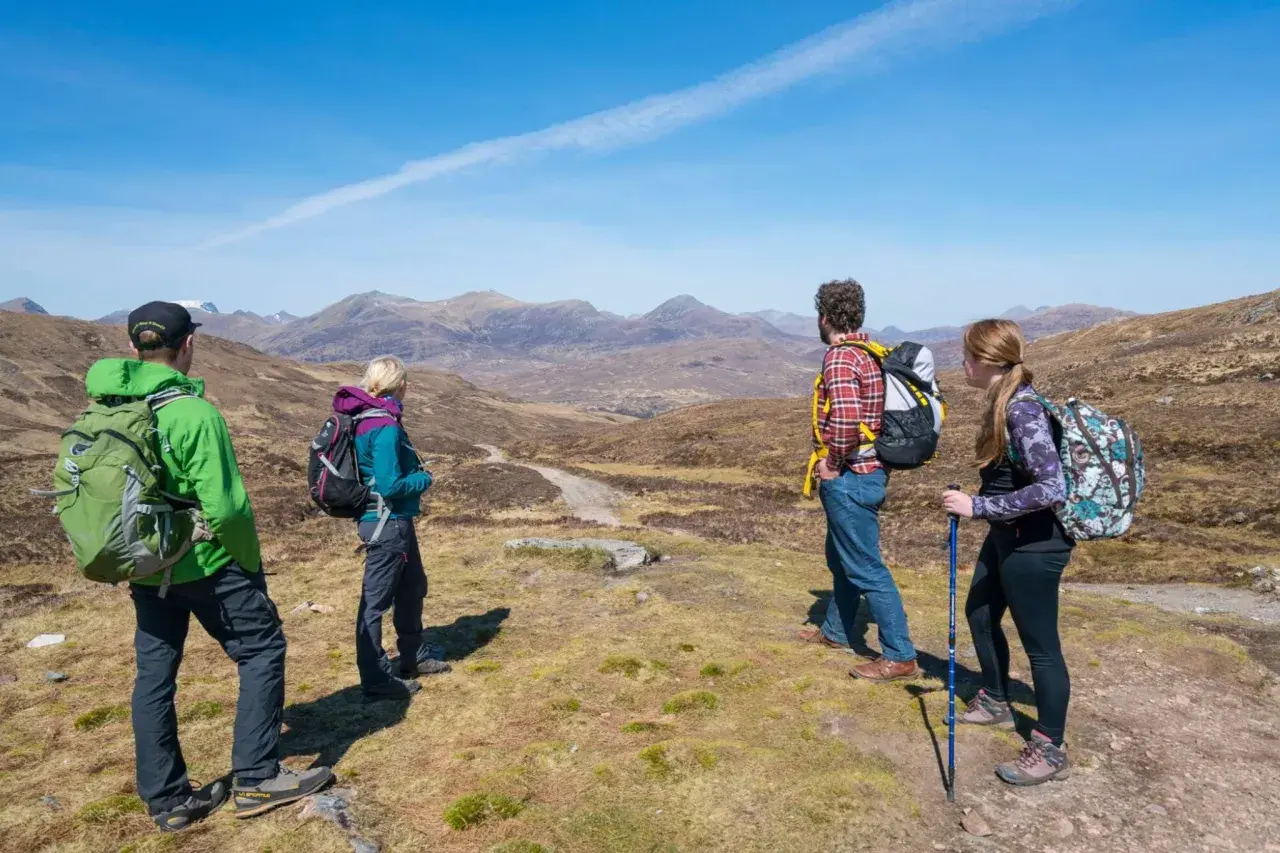
Scotland hiking trips work best when you match the route to the season, the weather window, and how much planning you want to carry yourself. The country offers everything from gentle coastal paths to demanding Highland crossings, but the wrong itinerary can turn a beautiful walk into a logistics exercise. Here I focus on the routes worth considering, when to go, what to pack, and how to decide between self-guided and supported options.
The choices that matter most before you book
- For a first long-distance walk, the West Highland Way is the safest bet because the route is clear and support is easy to arrange.
- Late spring through early autumn usually gives the best mix of daylight and manageable trail conditions.
- Daily distances of 12-15 km feel realistic for gentle itineraries; 18-22 km suits stronger walkers.
- Waterproof layers, solid boots, and offline navigation matter more than buying the lightest gear.
- Guided trips cost more, but they reduce routefinding stress and simplify baggage transfer.
Which kind of route matches your pace
Begin with pace and terrain. A trail that looks manageable on paper can feel very different once you add wind, rain, bog, or steep descent. I separate walking trips into three practical buckets: gentle long-distance paths, balanced point-to-point routes, and mountain-heavy days. A Munro is any Scottish mountain above 3,000 feet, and once you start building a trip around summits rather than paths, the fitness and safety requirements rise quickly.
- Gentle itineraries suit first-timers, mixed-ability groups, and anyone who wants time for cafes, viewpoints, and short detours.
- Balanced routes suit hikers who want a proper challenge but still want luggage transfer and comfortable overnight stays.
- Mountain days suit experienced walkers who are comfortable with routefinding, poorer visibility, and fast-changing weather.
If you are traveling from the U.S., I would err on the side of a slightly easier first day and build intensity later. That reduces jet lag risk and gives you a margin if the weather shifts, which is exactly what leads into the routes I would shortlist first.
The routes I would shortlist first
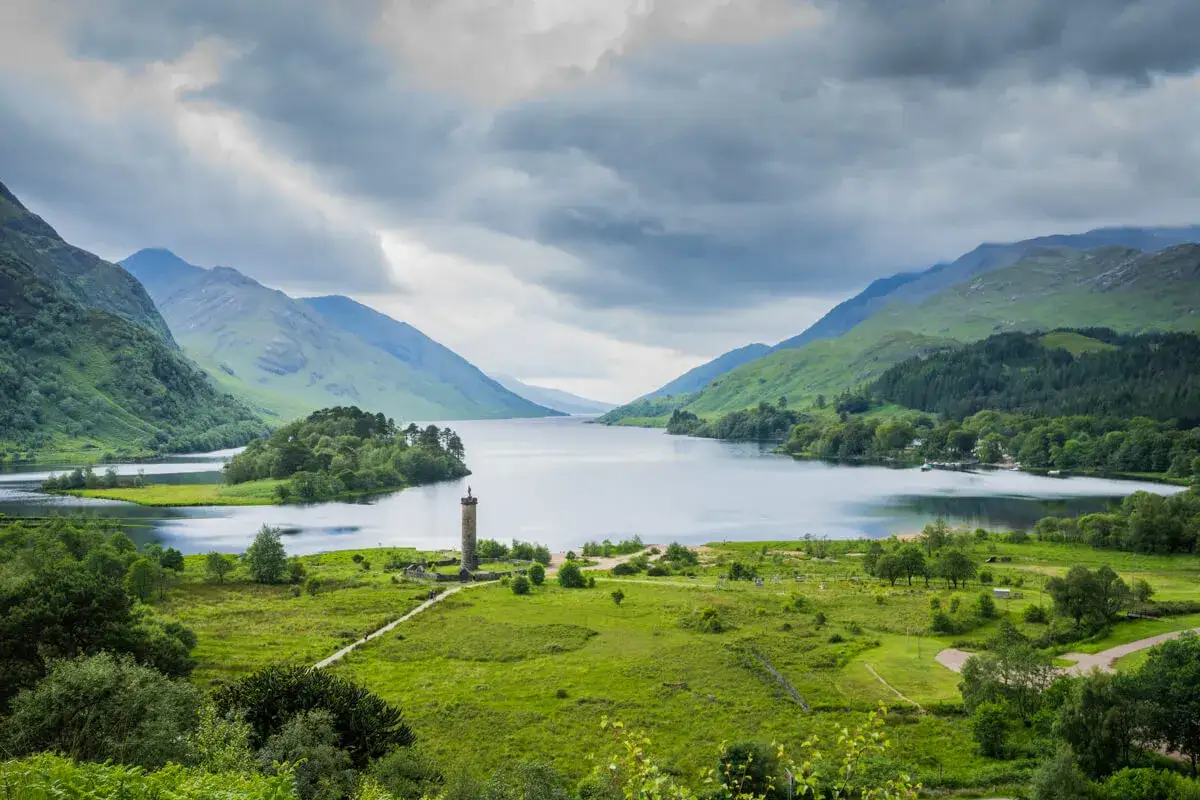
There are many good options, but a few routes consistently make sense for different reasons. The table below is the shortlist I would use if I were planning a trip for myself or helping a friend choose without overcomplicating the decision.
| Route | Length | Best for | Why it stands out |
|---|---|---|---|
| West Highland Way | 155 km / 96 miles | First long-distance walk, classic Highland scenery | Clear logistics, strong support network, and a proven point-to-point format. |
| Great Glen Way | 127 km / 79 miles | Lower-level Highland walking and flexible pacing | More forgiving than a mountain route and easy to split into 4-7 days. |
| John Muir Way | 134 miles / 215 km | Coast-to-coast variety, mixed landscapes | Good if you want villages, water, and broad scenery rather than only high ground. |
| Fife Coastal Path | 117 miles / 188 km | Coastal walking with settlement access | Useful when you want a longer trail without committing to remote mountain terrain. |
| Skye Trail | Unofficial and challenging | Experienced walkers who want rugged drama | Best treated as a serious adventure, not a casual walking holiday. |
For most people, the West Highland Way is the easiest route to recommend because it balances scenery with practical support. The Great Glen Way is a better fit if you want a lower-level route with less pressure on the legs, while the Skye Trail rewards confidence, patience, and a willingness to accept rougher conditions. Once the route is selected, the calendar becomes the next big decision.
When to go and how the season changes the experience
Season matters more here than in many other walking destinations. I think of spring as the moment Scotland stops feeling tentative and starts feeling genuinely walkable: longer days, fresh growth, and more breathing room on the trail. My own rule is simple: late May through September gives the best balance for most walkers, while April and October can be excellent if you want quieter paths and do not mind more weather risk.
- Spring is good for long daylight and greener landscapes, but the ground can still be wet and exposed sections feel colder than expected.
- Summer gives the easiest walking window, yet popular routes, accommodation, and transport all book up faster.
- Autumn is often the most pleasing compromise: fewer crowds, softer light, and cooler hiking temperatures.
- Winter is a different category altogether and belongs to experienced walkers who are prepared for short days, ice, and severe weather.
One practical wrinkle that catches people out is light. Even outside winter, cloudy conditions can make afternoons feel shorter than the clock suggests, so I build slack into the day instead of trying to squeeze every mile out of the schedule. That leads naturally to the planning details that make a trip smooth instead of stressful.
How to plan the logistics without wasting days
The most efficient hiking trips in Scotland usually come down to four choices: where you start, how far you walk each day, whether your bags move for you, and how flexible you are if weather changes the plan. For a first trip, I like the idea of a linear route with luggage transfer because it keeps the walking simple and prevents the holiday from becoming a puzzle. On route listings I have seen guided day walks start around £49, while a self-guided John Muir Way holiday is listed from £885 per adult, which shows how quickly the budget changes once comfort and support are bundled in.
- Pick a route that matches your endurance, not the route that sounds most impressive on paper.
- Reserve accommodation early if you are traveling in summer or on a popular long-distance trail.
- Plan food and water stops around villages, not just map distance, because services are not evenly spaced.
- Leave buffer time for rain, low visibility, or a slower-than-expected first day.
- If you are coming from the United States, consider arriving in Glasgow, Inverness, or Edinburgh a day early so the first walk starts with sleep, not jet lag.
I also think it helps to decide whether you want a start-to-finish route or a base-and-day-walk trip. A linear trail feels more adventurous and often more satisfying, but a base stay gives you much more freedom to react when weather turns. Once that is clear, the gear question becomes much easier to answer.
What to pack, and what people usually underestimate
The biggest gear mistake is not buying the wrong brand; it is underestimating how quickly conditions change. Mountaineering Scotland is blunt about Scottish mountain weather, and that matches my experience: a calm morning can turn into rain, wind, or poor visibility with very little warning. That is why I would always prioritise layers, waterproof protection, and the ability to navigate without relying on a signal.
- Waterproof jacket and trousers are non-negotiable, even for routes that start out looking gentle.
- Boots or shoes with real grip matter more than stiffness alone, especially on wet ground and rough descent.
- Map, compass, and offline navigation should be treated as backups to each other, not as separate options.
- Headtorch, power bank, and basic first aid are cheap insurance on long days.
- Gloves, hat, and spare socks are small items that make a long wet day much easier to tolerate.
For late spring through early autumn, I would also pack insect repellent and a light head net if you are heading into still, damp places where midges are likely to be active. That is not dramatic kit, but it is the kind of thing that keeps a trip comfortable enough to enjoy. With the kit sorted, the last decision is whether you want someone else to manage the structure for you.
Guided, self-guided, or fully independent
This is where many travelers overthink it. I usually decide based on how much I want to think about logistics after a long flight. The real difference is not just price; it is how much friction you want removed from the trip, and how much of the planning you actually enjoy.
| Format | Best for | Main advantage | Main tradeoff |
|---|---|---|---|
| Guided | First-time visitors, solo travelers, people who want local context | Routefinding, timing, and interpretation are handled for you | Less flexibility and a higher total cost |
| Self-guided with luggage transfer | Independent walkers who want comfort | Good balance of freedom and convenience | You still need to manage daily pacing and bookings |
| Fully independent | Experienced hikers on a tighter budget | Maximum freedom | More planning, more risk if weather or transport changes |
If you want my honest take, self-guided with luggage transfer is the sweet spot for most first-time visitors. It preserves the feeling of a real walking journey without forcing you to carry everything or troubleshoot every overnight stop. From there, the only thing left is the set of small decisions that separate a good walk from a memorable one.
The small details that make the trip feel easy
The last layer is not glamorous, but it matters. I would build in one lighter day at the start, keep one weather-flex day if the route is remote, and avoid stacking the hardest stage immediately after arrival. That is especially true on the West Highland Way or any route that includes exposed sections, because the weather can turn a reasonable day into a grind.
- Start slightly conservatively and let your body adjust before you push the mileage.
- Book one night in a place where you can dry gear properly.
- Keep snacks visible and accessible, not buried in the pack.
- Treat cafes, post offices, and village shops as route assets, because they can change the tone of a day.
- Do not force summit ambitions onto a route that is really better as a scenic walk.
That is the point I come back to most often: the best walking holiday is rarely the hardest one. It is the one that gives you enough challenge to feel earned, enough structure to stay safe, and enough flexibility to enjoy the weather when Scotland decides to cooperate.