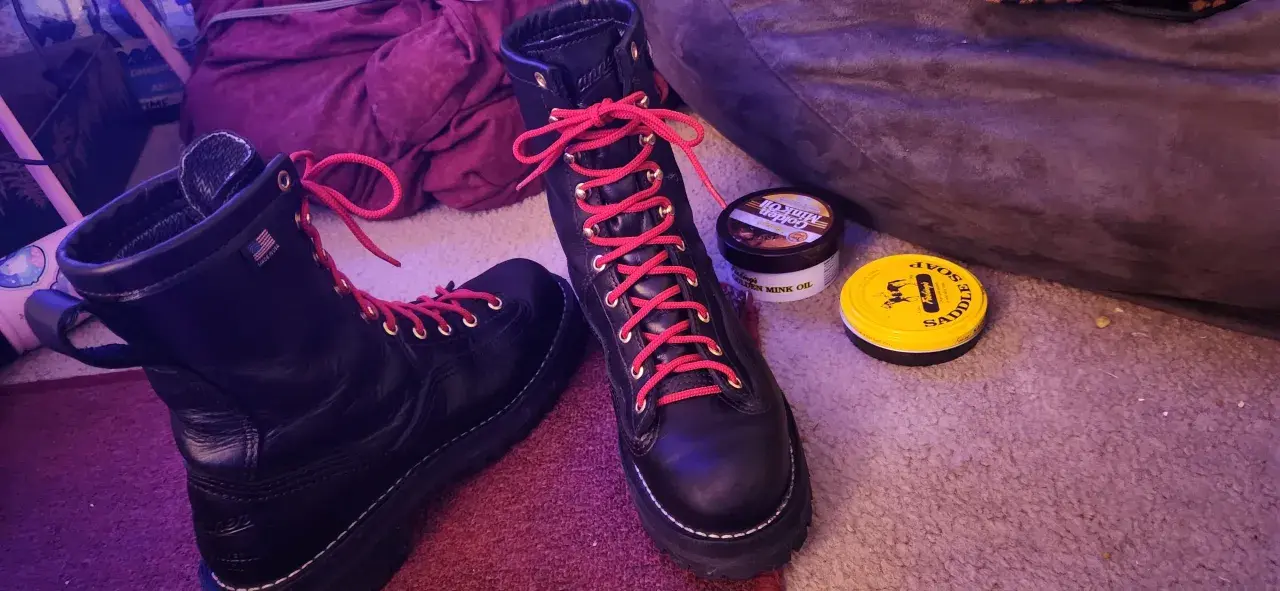
Red laces on hiking boots usually point to one of three things: a classic mountain-boot look, better visual contrast on rough ground, or a brand trying to signal heritage. In most cases, the color is about identity and readability rather than performance, but there is one context where the meaning can become more complicated.
That matters because hikers, boot buyers, and vintage-gear fans often want to know whether the detail is practical, decorative, or easy to misread. I’m going to break down the history, the real trail value, and the one caveat I would never ignore when I see bright boot laces in the wild.
The short answer is mostly heritage, with a few practical and social reasons
- Most red laces are a style cue tied to classic leather hiking boots, not a technical upgrade.
- The color stands out well against brown suede, mud, snow, and dark hardware.
- Some brands use red laces to reinforce a retro or mountaineering identity.
- In a few non-hiking subcultures, red laces have been used as coded signals, so context matters.
- Swapping to neutral laces is easy if you want a quieter, more versatile look.
Where the red-lace hiking look came from
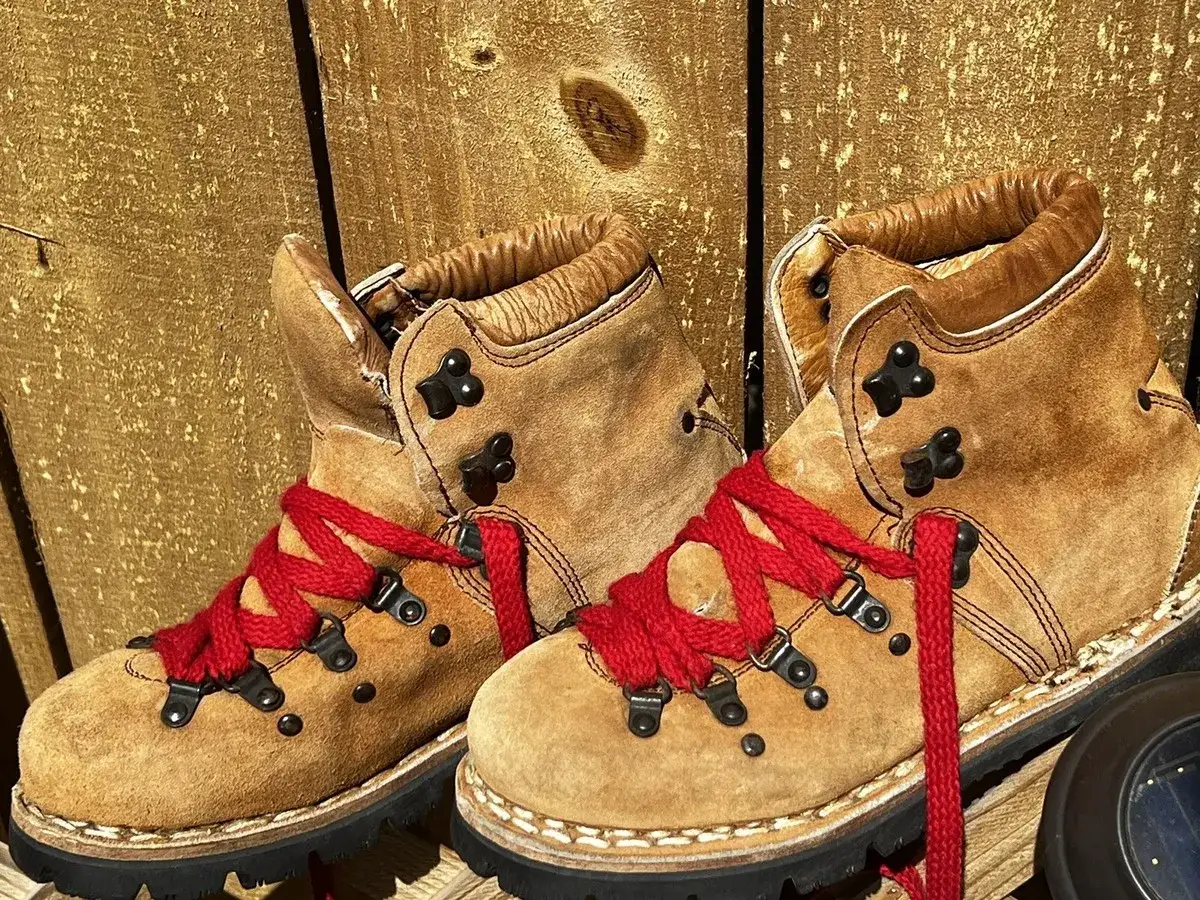
The strongest answer I can give is historical. Red laces became part of the classic hiking-boot image because they looked right on rugged leather, thick soles, and metal hardware. On a brown or tan boot, the contrast is sharp enough to feel intentional, and that matters in footwear design more than people think. A detail like that can make a boot read as “mountain gear” at a glance.
According to Danner, its red flat laces are a tribute to iconic hiking styles from the early 1970s. That is a useful clue: the color was never just random decoration. It became part of the visual language of traditional hikers and mountaineering boots, especially the kind that were meant to look durable, serious, and a little old-school.I think that heritage is why the detail still survives. Red laces give a boot personality without changing the boot’s structure, fit, or sole. That heritage explains the look, but it does not mean the color changes how the boot performs on the trail.
What red laces actually do on the trail
Color itself does not improve traction, waterproofing, or durability. A red lace will not keep you upright on wet rock, and it will not make a boot break in faster. What it can do is make the lacing system easier to inspect. Loose knots, frayed ends, and uneven tension are easier to spot when the lace is bright and the boot is covered in mud, snow, or dust.
| What the red lace changes | What it does not change | Why that matters |
|---|---|---|
| Visibility | Grip | Easy to spot against dark leather or trail debris |
| Style and recognition | Waterproofing | Helps a boot look classic or brand-specific |
| Quick inspection | Outsole performance | Fraying and slack are easier to notice fast |
| Contrast in low light | Support or fit | Useful when you are checking lacing on the move |
In practical terms, that matters most on messy shoulder-season hikes, where you are stepping through wet roots, slush, or brush and glancing down often. I would treat the color as a visibility aid and style marker, not as a feature that changes the boot’s core function. The real question then becomes whether that visual signal is always harmless.
When red laces mean more than style
Here is the part I would not gloss over. The Anti-Defamation League notes that red or white boot laces have been used as identity markers in some racist skinhead circles. That does not mean every pair of red laces carries that meaning, and it definitely does not mean hiking boots are automatically suspect. It does mean context matters.On a trail, most people will read red laces as heritage styling. In a city, at a concert, or in a setting where boot-code history is familiar, the same laces can invite a second look. I would not panic about that, but I would be aware of it if I wanted my boots to stay visually neutral. If you want zero ambiguity, brown, black, or tan laces are the safer choice.
This is where judgment beats assumption. The boot, the outfit, and the setting all influence how the color is read, so it helps to think in terms of context rather than fixed meaning.
How to tell whether the laces are original or just a swap
Not every pair of red laces is factory-original. A lot of hikers buy replacements after the first set wears out, and plenty of people swap in red simply because they like the vintage look. Danner, for example, sells 63-inch red flat replacement laces for 18-eyelet boots, which is a good reminder that lace color and lace length are separate decisions.
- Eyelet count matters because it determines lace length.
- Hardware type matters because D-rings, hooks, and speed loops handle flat laces differently.
- Lace profile matters because flat laces often sit differently from round ones.
- Boot family matters because heritage models are more likely to use red as part of the original aesthetic.
- Wear pattern matters because a boot with aged uppers and brand-new laces is often a replacement story, not a factory-original one.
If the laces look newer than the boot, that is usually not a problem. It simply means the owner values the boot enough to keep it serviceable. In many cases, the lace is the cheapest part of the entire setup, so it is the easiest thing to personalize. That brings us to the most practical decision of all: keep the red, or change it.
Whether you should keep the red laces or change them
I look at this as a trade-off between character and versatility. Red laces make the boot feel more traditional, more outdoorsy, and a little more deliberate. Neutral laces make the same boot easier to wear with everyday clothing and less likely to draw commentary. Neither choice is objectively better; they solve different problems.
| Choice | Best for | Main downside |
|---|---|---|
| Red laces | Classic leather hikers, retro styling, high visibility | Can look louder and feel less versatile |
| Black or brown laces | Minimal outfits, city wear, low-profile looks | Less character and less of the heritage feel |
| Tan or olive laces | Muted outdoor styling, earthy palettes | Less iconic than red on classic boots |
If I were wearing a traditional leather hiker with D-rings and a chunky sole, I would probably keep the red. If I wanted one boot to move between trail use and everyday wear, I would choose a neutral lace. The boot is the same either way, but the message it sends changes quite a bit.
What I would check before buying a pair
If you are deciding between red laces and a different color, I would focus on five things before anything else: fit, lace length, hardware, intended use, and how visible you want the boot to be in daily life. Those details matter more than the color itself, because a well-laced boot that fits correctly will always outperform a stylish boot that does not.
For trail use, I would prioritize comfort and reliable lacing first, then decide whether the red adds enough personality to justify keeping it. For travel, heritage fashion, or scenic walks where the boot is part of the look as much as the gear, red laces make sense. If the boots are going to be worn in mixed settings, I would keep a neutral spare set in the closet and switch them when the context changes.
That is the cleanest way to think about it: red laces are usually a design choice with heritage value, sometimes a visibility advantage, and occasionally a context problem. If you want the classic look, keep them; if you want ambiguity-free utility, swap them out. The right answer depends less on the color itself and more on how you plan to wear the boots, where you will wear them, and how much visual character you want from the pair.