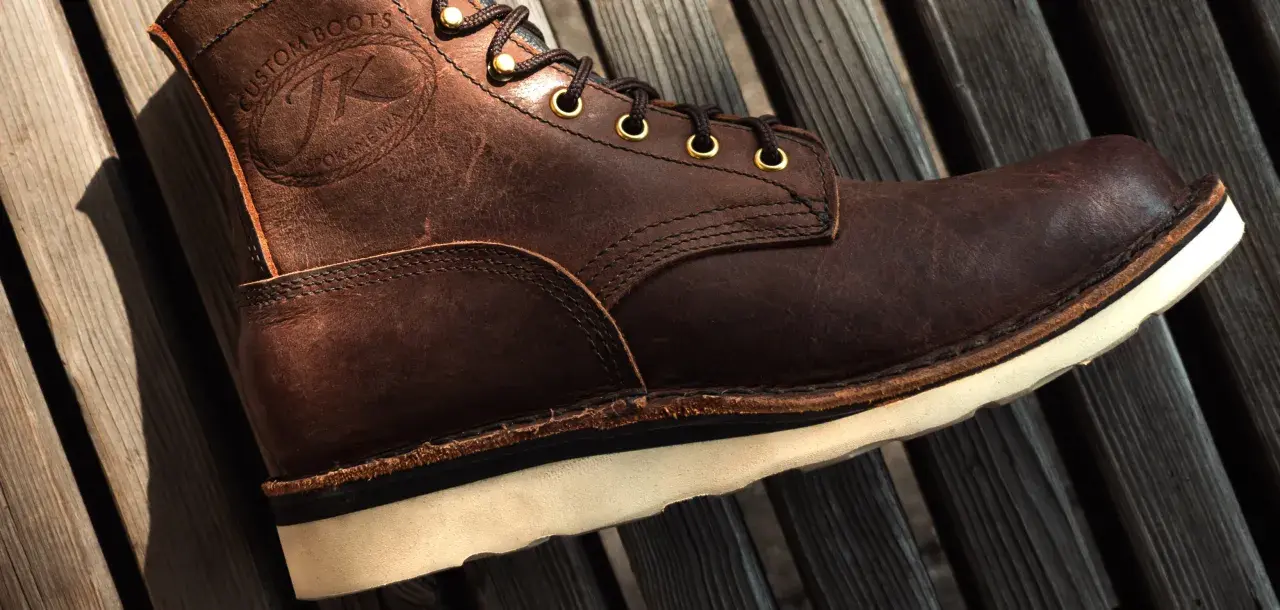
Noisy heels in hiking footwear usually come from friction, fit, or moisture. On a steep climb, a rocky descent, or a damp walk through town, the sound may come from a heel that lifts slightly, a wet insole, a stiff seam, or a sole that has started to loosen. I’ll break down the likely causes, show you how to isolate the source, and explain which fixes are worth trying before you replace the boots.
The shortest route to a quiet heel is finding the friction point
- Heel slip is the most common cause when the sound appears with each step and gets louder on descents.
- Moisture can make the lining, insole, or footbed squeak even when the boot still fits well.
- New boots often creak simply because the materials are stiff and still settling.
- Loose or damaged structure matters when the sound turns into a sharp click, flap, or visible gap.
- Drying, lacing, and footbed changes fix many cases in minutes, not days.
The noise usually comes from friction, fit, or moisture
When the sound starts in the heel area, I mentally sort it into three buckets. The first is movement: your heel lifts, drops, and rubs against the back of the boot. The second is moisture: sweat, rain, or stream water changes how the lining and insole slide against each other. The third is structure: a stiff seam, a loose footbed, or a heel counter that is beginning to fail. In hiking footwear, those three problems often sound similar, which is why the same squeak can have three very different fixes.
Heel noise is especially common in boots that are new, wet, or only a little too roomy. On the trail, a tiny fit error gets amplified by climbs, descents, and uneven ground. That is why I never treat the sound as just an annoyance until I know where it is coming from.
Once I know which bucket the sound falls into, the testing gets much faster, and that is where I start next.
How I narrow the source down quickly
I like to test a noisy boot in the simplest possible way before I reach for powders or repair glue. Start with the socks you actually hike in, then walk on a hard indoor surface and a softer one. If the sound changes dramatically, surface friction is part of the problem. If the boot squeaks when you flex it in your hands, the source is probably inside the boot rather than underfoot.
- Press down on the heel cup with your hand. If the sound appears without walking, the friction is internal.
- Remove the insole and flex the boot again. If the noise disappears, the footbed or insole is rubbing.
- Check the heel edge and outsole bond for gaps, ripples, or lifted spots.
- Wear the boots after a short dry spell and again after a wet walk. A moisture-related squeak usually behaves differently from a fit problem.
| What you hear | What it usually means | Best first move |
|---|---|---|
| Only with heel lift | Heel slip or too much volume | Try heel-lock lacing and a better footbed |
| Only when damp | Moisture trapped in the lining or insole | Dry the boot fully and remove the insole |
| Only on smooth stone or tile | Surface friction exaggerating the sound | Test on another surface before changing the boot |
| Sharp click plus visible gap | Loose outsole or failing bond | Inspect for repair or replacement |
If the test points to moisture or friction, the fix is often cheap; if it points to structure, I stop treating it as a cleaning issue and start looking at the boot itself.
Fixes that usually work without damaging the boot
A basic fix routine usually takes about 15 minutes and around $10 in supplies, which is why I try it before I assume the boot is done. Nike’s care guide groups most squeaks under water, newness, and friction, and that is close to what I see in hiking boots as well. The point is not to smother the boot with random products; the point is to reduce the rubbing without weakening the materials.
Dry the boot all the way through
Take out the insoles, open the laces, and let the boot dry in a ventilated room. If the inside is damp, crumple newspaper and pack it into the boot so it can pull moisture out of the liner and footbed. I avoid radiators, ovens, and direct heat because they can dry leather too aggressively and make it brittle. If the boot was soaked, give it real time rather than a quick blast of warmth.
Reduce friction inside the heel area
For removable insoles, a light dusting of baby powder or talc can quiet the rub between the footbed and the boot. I mean light, not a heap. A heel grip or a different insole can also help when the back of the foot is moving a little too much inside the boot. That is often enough to turn a loud creak into a barely noticeable flex.
Read Also: Hiking Boot Care - Extend Their Life & Comfort
Use conditioner only when the material needs it
If the upper is leather and has dried out, a small amount of leather conditioner can calm a creak that comes from the material itself. I do not use cooking oil or greasy home hacks on hiking boots; they can stain the leather, clog breathability, and create new problems later. Synthetic and waterproof boots usually need less conditioning and more careful drying and cleaning.
Those fixes solve a lot of cases, but they will not make a badly fitting boot behave, which is the next thing I check.
When the heel noise is really a fit problem
AMC’s fit guidance is the standard I trust here: the heel should stay locked in place, with roughly one finger behind it and no more than about a quarter-inch of movement. If the heel slides more than that, the boot is not just noisy; it is working against your stride. On long hikes, that extra motion usually turns into hot spots, blisters, and the kind of squeak that comes back no matter how much powder you add.
- Use heel-lock lacing if the boot fits well everywhere except the rearfoot. It pulls the heel back into the pocket without crushing the forefoot.
- Replace stretched laces if they no longer hold tension through the ankle section.
- Test with your hiking socks instead of thin everyday socks, because sock thickness changes heel volume more than people expect.
- Try a better footbed if the boot is slightly roomy. A firmer insole can take up dead space and reduce heel lift.
- Change size or brand if the length is wrong. That is the one fit problem you cannot fix with a clever lacing trick.
A boot can feel fine in the toe box and still be wrong at the heel. When that happens, I treat the noise as a fit signal first and a noise problem second. If the boot still rattles after the heel is anchored, I start looking for wear or damage instead of more adjustments.
When to repair the boot or retire it
Once a boot has been dried, cleaned, and refit, persistent heel noise usually means something is physically wearing out. A loose outsole bond, a cracked heel counter, collapsed padding, or a footbed that no longer lies flat can all create a repeatable click or squeak. If the boot also leaks, smells permanently damp, or makes the sound louder every week, I do not keep stacking temporary fixes on top of it.
- Visible separation at the heel or outsole edge usually deserves a repair shop, not another round of powder.
- Soft or collapsed rearfoot padding often means the boot has lost the structure that kept the heel centered.
- Noise plus pain is a bigger warning sign than noise alone, because the boot may be changing how you walk.
- Repeated squeaks after wet hikes can mean the materials are absorbing too much moisture or the boot is nearing the end of its useful life.
I am fairly conservative here: if the repair is minor and the upper is still worth saving, I fix it. If the heel structure is failing and the boot no longer holds your foot in place, replacement is the better investment. That logic matters even more on longer hikes, where a small heel problem becomes a big one after a few hours.
The habits that keep hiking heels quiet on long routes
The best way to keep hiking boots quiet is to stop the heel problem before it gets entrenched. I break in new pairs on short walks, retie them after the first mile, and dry them fully after wet ground or stream crossings. I also check the fit with the socks I actually plan to wear, because a heel that feels fine in the shop can move differently once the boot warms up and the foot swells.
For leather models, I care for the upper before it starts creaking, not after. For synthetic or waterproof boots, I focus more on cleanliness, ventilation, and replacing worn footbeds when they stop locking the heel in place. Those habits do not sound dramatic, but they are usually what keeps a quiet boot quiet on a long route.
When a heel starts making noise, I read it as feedback. On a scenic trail, a mountain path, or even a wet stone street, that feedback is useful because it usually points to a fix you can make before the problem turns into blisters, damage, or a ruined hike.