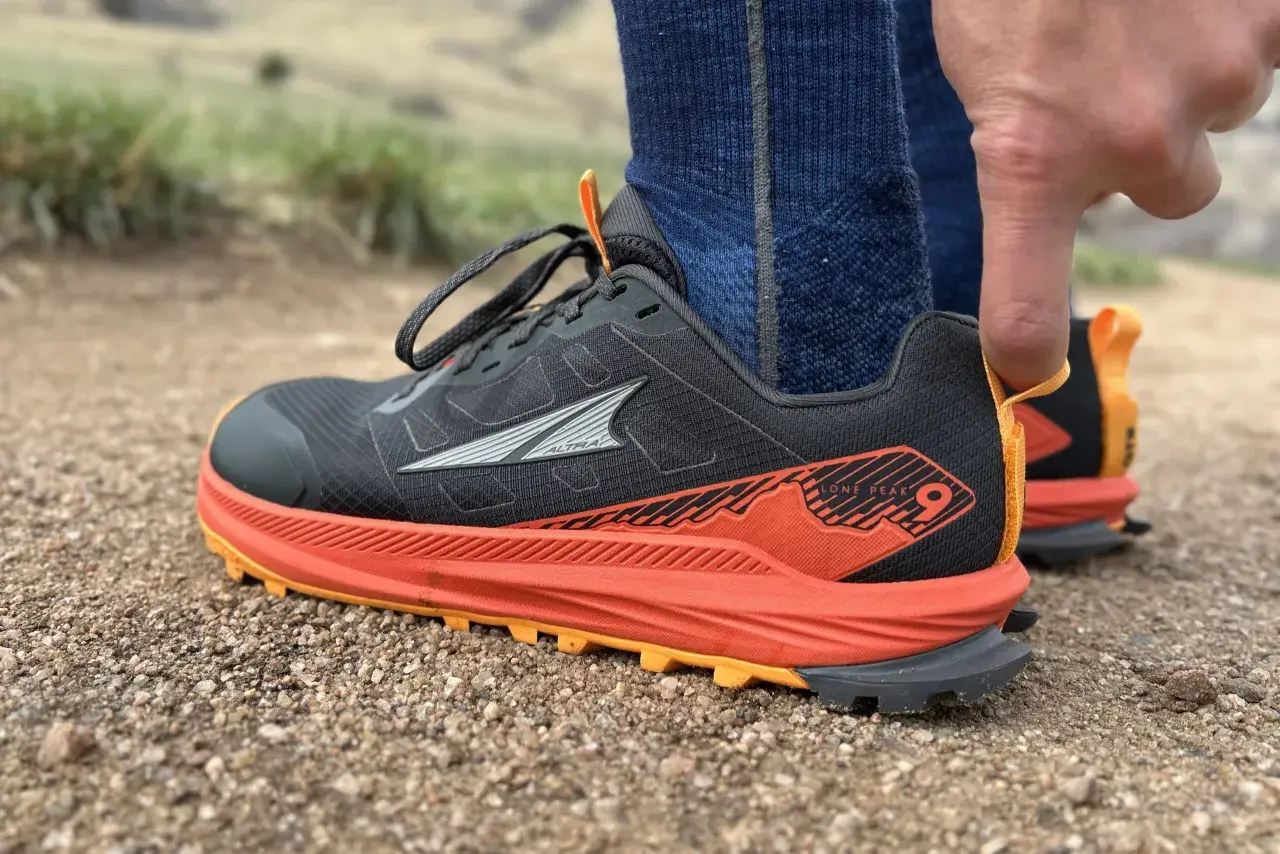
The Lone Peak line stays popular because it hits a rare middle ground: low, stable, roomy, and comfortable enough for long trail days. The real question in altra lone peak 9 vs 9+ is simple: do you want the standard model’s value and familiar ride, or the 9+ version’s extra traction for wet, slick, and technical terrain? I see these as the same core shoe with one meaningful upgrade, and that upgrade matters more in some places than others.
The short version for hikers and trail runners
- The biggest change is the outsole: the Lone Peak 9 uses Altra’s MaxTrac rubber, while the 9+ switches to Vibram Megagrip.
- Both keep the zero-drop platform and the roomy FootShape fit that make the Lone Peak line so easy to wear on long days.
- The standard 9 is usually the better value if your trails are mostly dry, maintained, and not especially slippery.
- The 9+ is the better choice if you regularly hike on wet rock, slick roots, mud, or rough alpine terrain.
- Neither shoe is a heavy boot replacement; both work best as nimble trail shoes for hiking, fastpacking, and trail running.
What actually changes between the two shoes
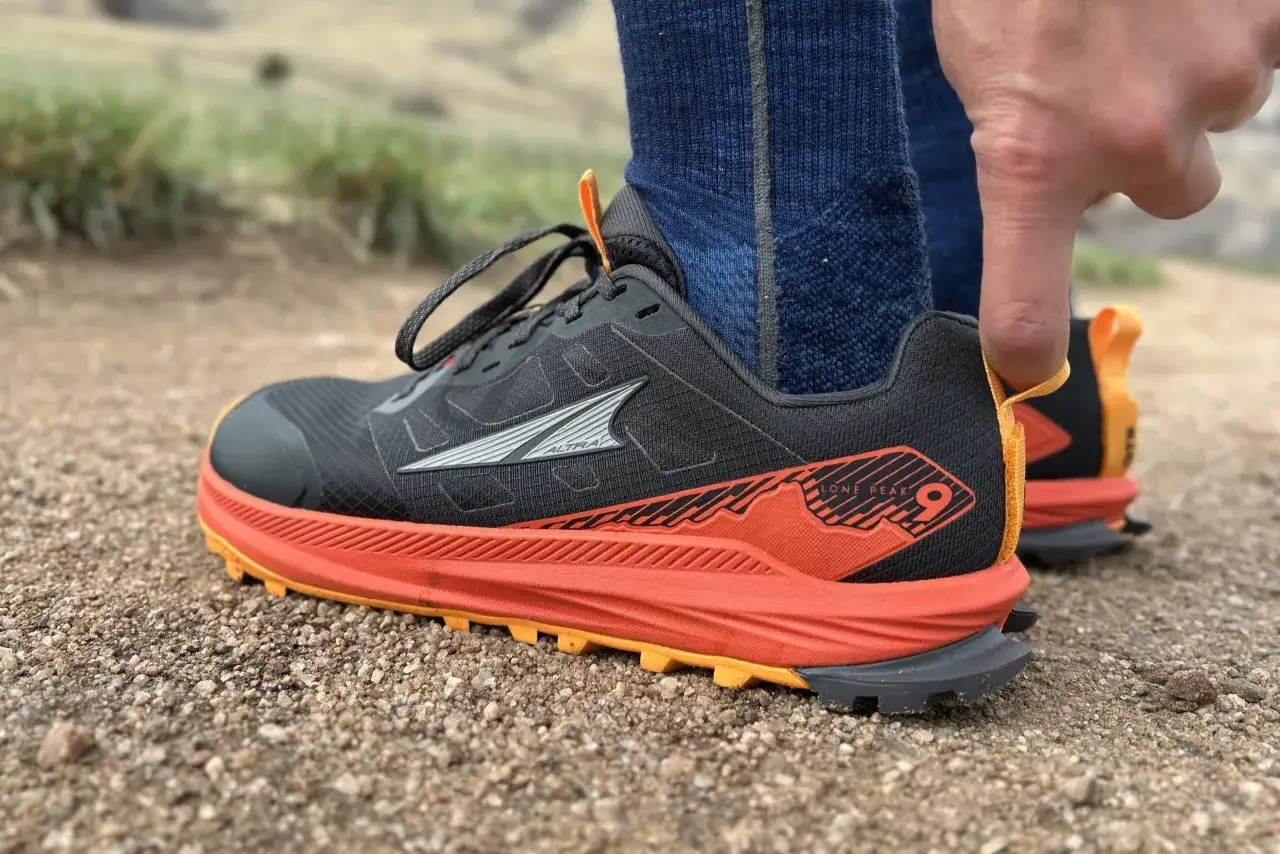
I read the Lone Peak 9 and 9+ as a mostly shared platform with a different grip strategy. The geometry stays the same, the stack height stays low, and the zero-drop feel is still there. What changes is how the shoe connects to the ground, plus a few small details that nudge the 9+ toward a more premium, traction-first feel.
| Feature | Lone Peak 9 | Lone Peak 9+ | What it means on trail |
|---|---|---|---|
| Outsole | MaxTrac | Vibram Megagrip | The 9+ should bite better on wet, polished, or loose surfaces. |
| Midsole | Altra EGO | Updated lighter-weight Altra EGO foam | Both stay in the same comfort zone, but the 9+ aims for a slightly more refined feel. |
| Upper | Recycled RPET ripstop mesh | 100% RPET ripstop mesh with no-sew overlays | Both are built for durability, with the 9+ leaning a bit harder into high-mileage use. |
| Stack and drop | 25 mm / 0 mm | 25 mm / 0 mm | The platform feel is effectively the same. |
| Weight | 11.29 oz in one lab test for a men’s US 10.5 | 11.55 oz in the official men’s listing | The difference is small enough that fit and traction matter more than grams. |
| Price | Usually cheaper | Usually a bit more expensive | The 9 is the value pick; the 9+ asks you to pay for better grip. |
My practical read is straightforward: the chassis is almost unchanged, but the outsole upgrade is real. If your trails are predictable, the standard 9 gives you most of the Lone Peak experience for less money. If your terrain regularly turns greasy or unstable, the 9+ is the version that earns its price premium.
Where the 9+ wins on trail grip
The 9+ makes its case on the kind of ground that exposes weaker rubber. Think wet granite, rain-darkened limestone, roots under a film of mud, or long descents where you want the shoe to stay calm instead of skittering. That is where Vibram Megagrip matters. It is not marketing fluff; it is a real traction compound, and on damp trail surfaces it usually feels more trustworthy than standard trail rubber.SectionHiker describes the 9+ as a low, zero-drop shoe with a wide toe box, 25 mm stack, and grippy lugs built for wet and dry trail use, and that matches how I would frame it in hiking terms. The 9+ is the shoe I would want in the pack if the forecast looks messy or the route is going to spend a lot of time on slick stone. On mountain terrain, that confidence can save more energy than a slightly lighter shoe ever will.
There is a caveat, though: more grip can come with a slightly firmer, more planted sensation. That is not a flaw if you want security. It is only a downside if you prefer a softer, looser ride.
Why the standard 9 still makes sense
The Lone Peak 9 is not the “old” shoe in any meaningful sense. It keeps the same low, zero-drop stance, the same roomy toe box, and the same general trail-friendly personality. Outdoor Gear Lab measured the shoe at 11.29 ounces in a men’s US 10.5, with 4.0 mm lugs, a StoneGuard plate, and MaxTrac outsole. That is a very workable formula for hiking, especially if you value ground feel and want a shoe that stays nimble on mixed terrain.
For me, the standard 9 is the better buy if most of your hiking happens on dry dirt, gravel, packed forest paths, or well-maintained mountain trails. It already does the core Lone Peak job well: it gives your toes room, keeps your heel close to the ground, and stays stable without feeling like a brick. If you are not regularly fighting slippery surfaces, the 9+ may simply be extra cost you do not need.
There is also a sensible transition argument. If you are new to zero-drop shoes, the standard 9 is an easier place to start because you can test the platform without paying for the more aggressive outsole upgrade. From there, it becomes much clearer whether you actually need the added bite.
Fit and comfort are almost the same, but the details matter
Both shoes belong to the same broad Altra family: wide forefoot, natural toe splay, and a walking or running stance that feels more grounded than many hiking shoes. That shared fit is a big part of why Lone Peaks have such a loyal following. If you like roomy toe boxes, neither shoe will feel foreign.
Where I notice a difference is in how locked-in the upper feels during long days. The 9+ can feel a little more forgiving through the toe box and midfoot, while the standard 9 can come across as slightly more straightforward and familiar through the upper. Neither is narrow, but they do not feel identical once your feet start swelling on a long climb.
If you are buying either one for hiking rather than running, I would pay attention to three things:
- Heel hold, especially if you descend a lot.
- Toe room after a few hours on foot, not just when you first try them on.
- How your calves and Achilles react to zero drop over the first few outings.
That last point matters more than many people expect. A 0 mm drop can feel natural and stable, but it also changes how your lower leg works. If you are coming from traditional hiking shoes, I would not jump straight into all-day mountain mileage without a short adaptation period.
Which one I’d choose for different hiking trips
Here is how I would split the choice in real life:
| Trail condition | Better pick | Why |
|---|---|---|
| Dry day hikes | Lone Peak 9 | It is cheaper, still stable, and already delivers the Lone Peak fit and feel. |
| Wet rock, moss, rain, roots | Lone Peak 9+ | Megagrip gives the shoe a meaningful traction edge when surfaces get unreliable. |
| Fastpacking or long-distance trail use | Usually the 9+ | The extra grip and slightly more premium build make sense when mileage and rough weather stack up. |
| Budget-conscious buying | Lone Peak 9 | You keep the core platform and save money where it matters most. |
| First zero-drop shoe | Lone Peak 9 | It is the simpler way to test whether the Lone Peak shape works for your feet. |
If I were buying for a trip with a lot of wet, technical ground, I would spend the extra money on the 9+. If I were buying for everyday trail use in mostly dry conditions, I would take the standard 9 and put the savings toward socks, poles, or a second pair for rotation.
The detail that matters most once the trail turns wet
When people compare the two Lone Peaks, they often focus on weight or stack height, but that misses the real decision. Both shoes are still low, roomy, and stable. The difference is how much trust you want underfoot when the trail stops being friendly.
That is why I would frame the choice this way: pick the 9 for value, pick the 9+ for confidence. On dry ground, the gap is modest. On wet, rough, or slick terrain, it becomes obvious. If your hiking usually happens on surfaces that punish weak traction, the 9+ is the smarter buy. If not, the standard 9 is probably all the shoe you need.