
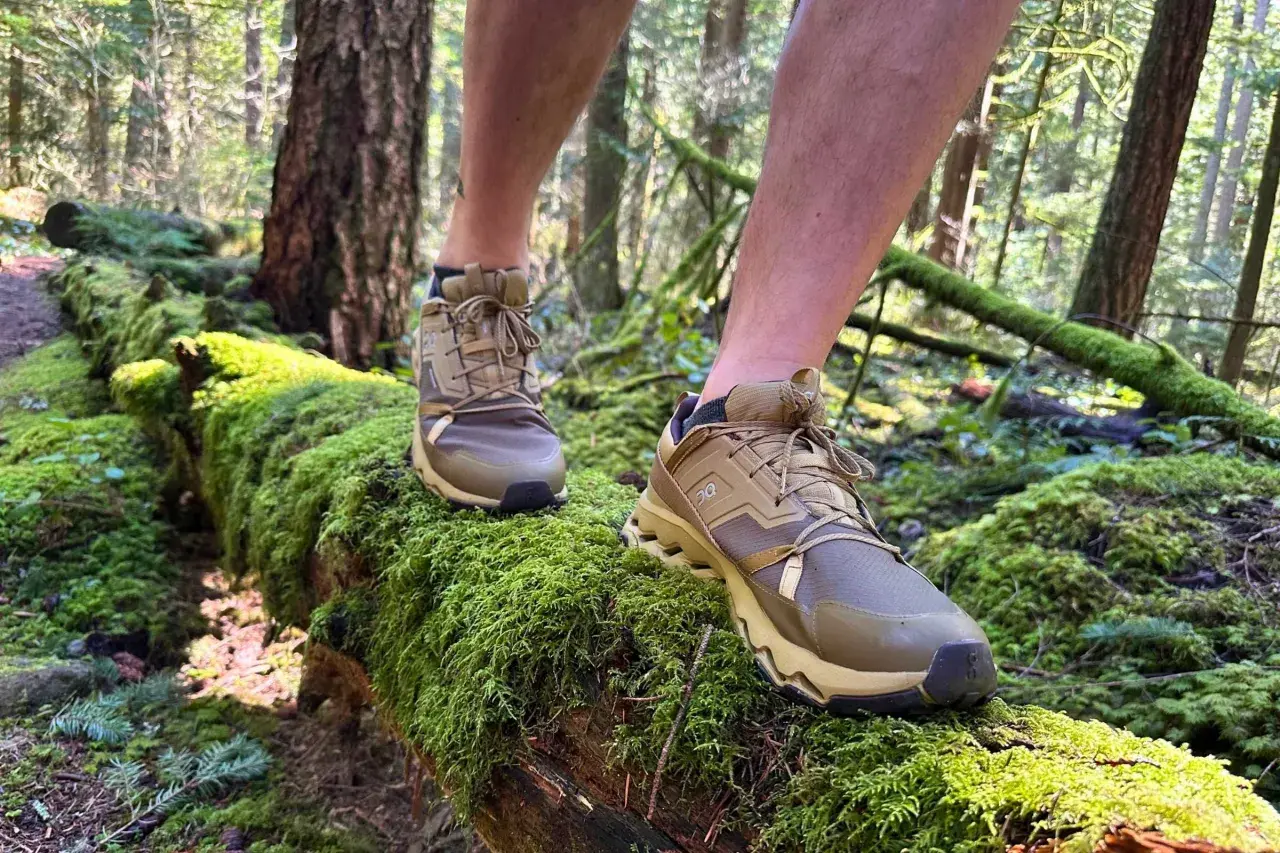
Hiking shoes can work surprisingly well as everyday footwear, but only if the pair matches your routine. For mixed days that include sidewalks, errands, travel, dog walks, and occasional dirt paths, they often give you better grip and protection than a standard sneaker without the bulk of a boot. The tradeoff shows up fast once your day is mostly pavement, heat, and long hours standing in one place.
The practical answer in one glance
- Yes, in many cases you can wear hiking shoes every day, especially if they are lightweight and low-cut.
- They work best for commuting, travel, uneven streets, rainy weather, and casual outdoor use.
- They are not ideal for all-day concrete, hot weather, or dressier settings where a softer shoe feels better.
- Fit matters more than branding; a comfortable hiking shoe is usually one with secure heel hold, enough toe room, and moderate flexibility.
- Waterproof models are a tradeoff: useful in wet conditions, but often warmer and less breathable for daily wear.
When hiking shoes make sense for daily wear
The strongest case for hiking shoes is a day that moves between different surfaces. I like them for city walking, airport days, sightseeing, school runs, and anything that mixes pavement with park paths or rougher ground. They are also a smart choice for European-style travel days, when you might start on cobblestones, spend an hour on a train platform, and end the afternoon on a coastal trail.
REI’s footwear guide describes hiking shoes as moderately flexible, moderately durable, and versatile for trail and everyday wear, while also noting that they do not support the ankle like boots do. That is the sweet spot for most people asking this question: a shoe that feels sturdier than a sneaker but does not behave like expedition gear.
If your daily life includes uneven sidewalks, wet steps, and the occasional gravel path, that extra traction and protection can make the shoe feel more useful than a normal casual sneaker. That balance is helpful, but the next question is what actually makes a hiking shoe pleasant to live in for hours at a time.
What makes a hiking shoe comfortable off the trail
For everyday use, I care less about whether the shoe is labeled for hiking and more about how it behaves under normal walking stress. A shoe can be sold as hiking footwear and still feel terrible on concrete if it is too stiff, too narrow, or too waterproof for the climate.
- Moderate flex. The shoe should bend naturally at the forefoot when you walk. Too much stiffness makes long pavement days feel wooden.
- Enough cushioning. The midsole, which is the cushioning layer between the foot and the outsole, should soften impact without feeling mushy.
- Useful traction, not huge lugs. Lug depth is the height of the tread teeth. Aggressive lugs are great on mud, but they can feel clunky and noisy on sidewalks.
- Breathable materials. Mesh and lighter synthetic uppers usually work better than thick waterproof builds for warm-weather daily wear.
- Secure heel hold. If the heel slides, you will feel it quickly as rubbing, hot spots, and fatigue.
- Room in the toe box. Your toes should spread naturally instead of pressing against a tight front end all day.
Salomon makes a similar point from the walking side: a flexible shoe rolls more naturally underfoot, while more lateral stiffness is mainly useful when the terrain gets technical or the load gets heavier. In plain English, the features that help on rocky ground are not always the features that feel best on a normal day.
Once you know what comfort looks like, the comparison with other shoe types becomes much easier to judge.
How hiking shoes compare with other everyday options
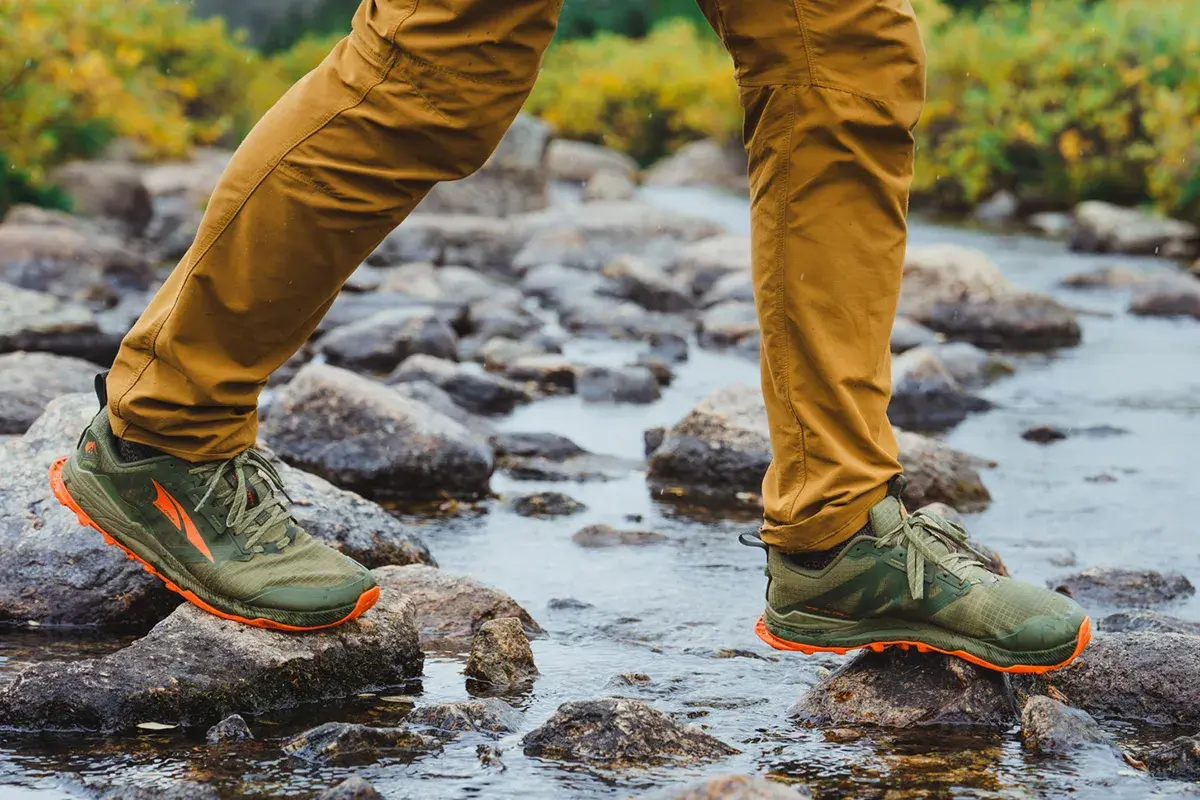
If you are choosing one pair for town and trail, it helps to see where hiking shoes sit relative to the other common options. I think of them as the middle ground: sturdier than most walking shoes, more protective than many trail runners, and much lighter than boots.
| Footwear type | Everyday comfort | Traction off pavement | Breathability | Best use | Main tradeoff |
|---|---|---|---|---|---|
| Hiking shoes | High | High | Medium to high, depending on the upper | Mixed city and trail days | Less soft than a walking shoe |
| Walking shoes | Very high | Low | High | Long pavement days | Poorer grip and protection on rough ground |
| Trail runners | High | Medium | High | Fast walking, travel, light trails | Less structure and underfoot protection |
| Hiking boots | Medium | Very high | Low to medium | Wet, rocky, or loaded days | Bulkier and warmer for daily wear |
This is why I rarely answer the question with a simple yes or no. Hiking shoes can be excellent daily shoes, but they only become the best choice when your routine actually benefits from their grip, structure, and protection.
The difference gets much clearer once you look at the situations where they stop making sense.
Where hiking shoes become the wrong everyday choice
There are plenty of days when I would not reach for hiking shoes first. If your routine is mostly indoor work, smooth floors, hot sidewalks, and long stretches of standing on concrete, the extra tread and structure can feel like overkill. In those cases, walking shoes or lighter trail shoes usually feel smoother underfoot.
- Mostly pavement. A softer walking shoe often feels better over the course of a long city day.
- Hot or humid weather. Breathability matters more than ruggedness when your feet are already running warm.
- Dressier settings. Many hiking shoes look too technical for office, restaurant, or business-casual wear.
- Heavy backpacks or rough terrain. That is where boots or more structured footwear start to earn their keep.
- Waterproof models in mild conditions. They help in rain and slush, but they often trap heat and dry more slowly.
If a pair gives you hot spots, heel lift, or a cramped forefoot after a short test walk, I would not try to “break through” the discomfort and hope it improves. That usually means the shoe is wrong for your foot or your use case, not that your feet need to adapt.
That fit decision is where the buying process usually gets settled, so the next step is choosing the right type of hiking shoe in the first place.
How to choose a pair if you want one shoe for town and trail
I would shop this category the same way I shop travel shoes: by imagining the full day, not just the trail. The best everyday hiking shoe is usually a low-cut model with enough cushioning to feel friendly on pavement and enough grip to handle a wet path or uneven curb.
- Start with a low-cut hiking shoe or hiking sneaker instead of a mid or high boot.
- Wear the socks you actually plan to use, not the thinnest pair you own.
- Check for enough toe room and a secure heel so the shoe feels stable both uphill and on level ground.
- Walk on hard floor, turn quickly, and climb a few stairs if the store allows it.
- Choose breathable uppers unless you genuinely need waterproof protection for rain, slush, or winter slop.
- If you use orthotics, make sure the insole is removable and the shoe has enough volume for them.
The best pair is often the one that feels almost unremarkable in the store: secure, light enough, and not trying too hard to be a trail weapon. That is usually what translates into all-day comfort, especially if you plan to wear the shoes far beyond the trailhead.
Even a good shoe needs a little day-to-day care if it is going to survive repeated pavement use.
How to make them work better on pavement
Hiking shoes hold up better when you treat them like a versatile tool rather than a disposable sneaker. I am a fan of rotating pairs when possible, because a shoe that spends five straight days on concrete will wear down faster than one that gets a break.
- Use moisture-wicking socks. Merino or synthetic blends help reduce friction and heat buildup.
- Let them dry fully. If they get wet, remove the insoles and air-dry them away from direct heat.
- Brush out grit. Sand and pebbles trapped in the tread can make them feel rough on hard floors.
- Loosen the laces for flat walking. A snug trail fit is not always the best all-day fit.
- Watch the outsole and midsole. Once the lugs round off and the cushioning feels flat, the shoe stops delivering the grip and comfort you bought it for.
Those habits matter most when the same pair has to move between sidewalks, transit, errands, and the occasional trail segment without complaint.
The rule I use when one pair has to do everything
My rule is simple. If your day is mostly pavement, buy a walking shoe or a trail runner. If your day mixes sidewalks, weather, and rough ground, choose a lightweight hiking shoe. If you need support for rocky terrain, heavy loads, or genuinely harsh conditions, move up to boots.
That is the cleanest way to decide whether hiking shoes belong in your daily rotation. For the right person, the answer is yes, and they can be a very good choice for travel, errands, dog walks, and urban days with unpredictable ground. I would just keep the compromise visible: more traction and protection usually means a little more weight, a little less softness, and a little less breathability.
If you accept that tradeoff before you buy, hiking footwear becomes much easier to use every day without disappointment.