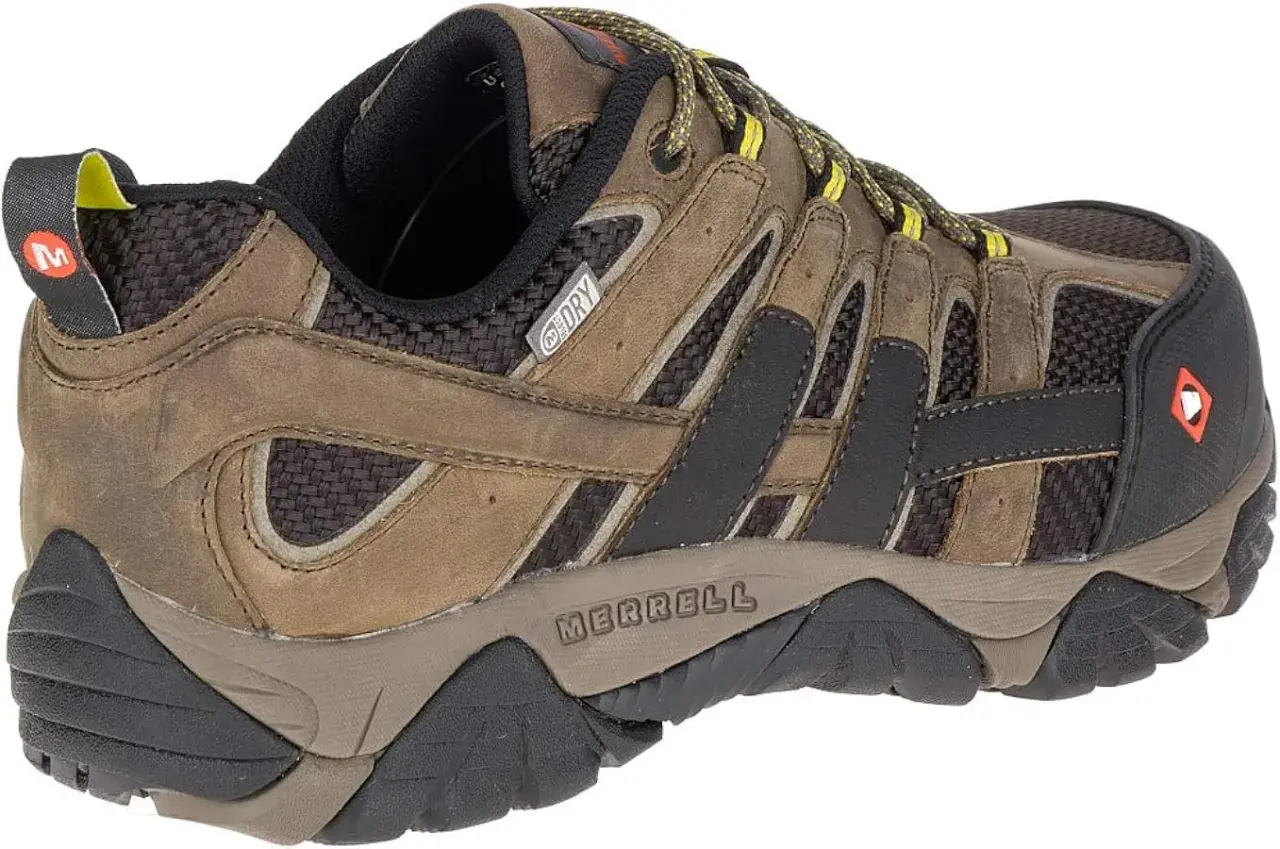
The Moab 2 Vent is the kind of hiking shoe I recommend only when the trail is dry, the pack is light, and breathability matters more than weather protection. In 2026, it sits in an awkward but still useful spot: an older Merrell classic that many hikers still like for comfort, yet one that has been overtaken by newer Moab 3 and Moab Speed 2 models. In this article I break down what it feels like on the trail, where it still makes sense, where it is the wrong choice, and how I would buy around it today.
What matters most before you choose this shoe
- It is a breathable, low-cut hiking shoe built for warm, dry conditions and day hikes.
- It feels comfortable early, with a roomy forefoot and a stable ride, but it is not a waterproof or heavy-pack shoe.
- Merrell’s current hiking lineup has moved on to Moab 3 and Moab Speed 2 models, so this one is usually a closeout or resale buy.
- The Vibram TC5+ outsole and supportive midsole make it dependable on dirt, gravel, sandstone, and hardpack.
- If your hikes involve wet grass, mud, or shoulder-season rain, I would lean toward a current waterproof option instead.
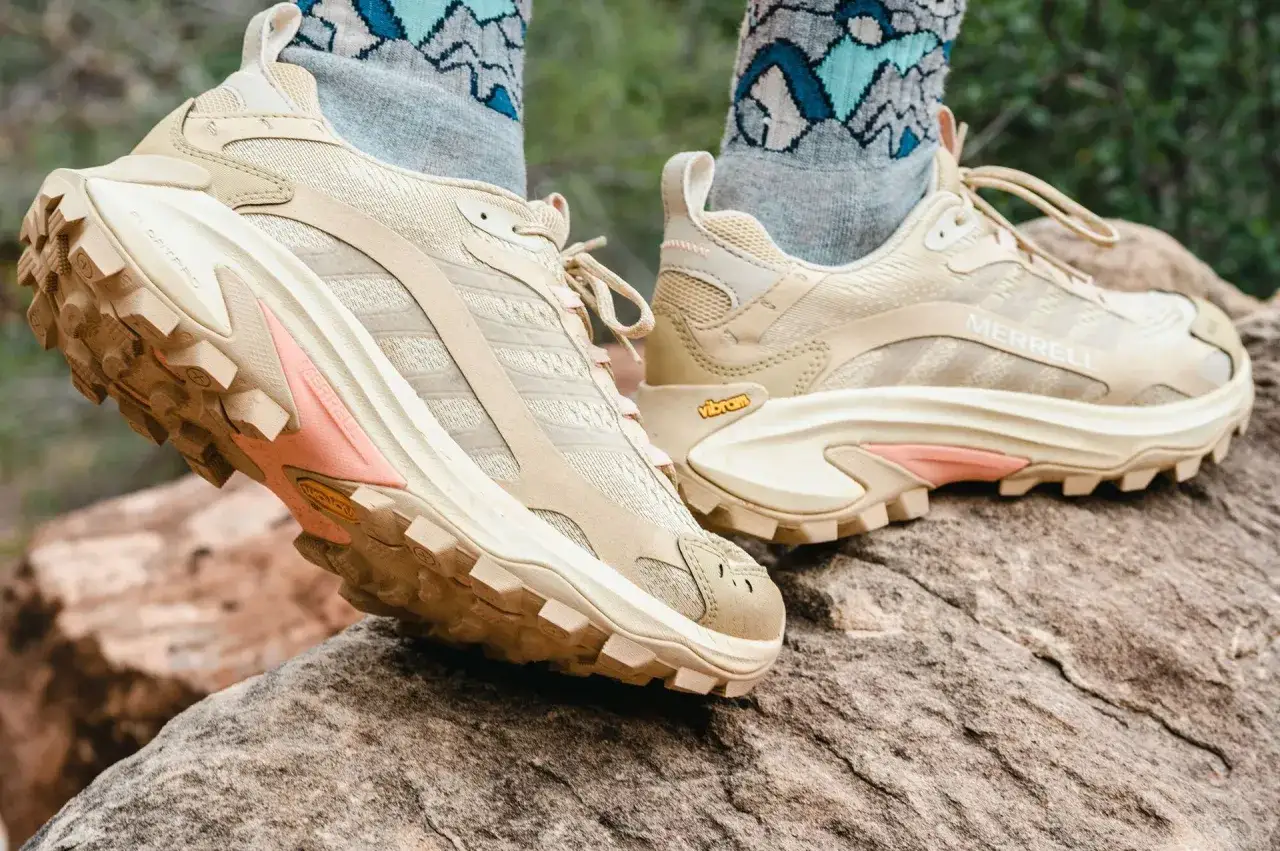
What this shoe is built to do
I see this as a warm-weather trail shoe first and a hiker second. The upper combines suede and mesh, the outsole uses Vibram TC5+ rubber, and the midsole and shank give enough structure for uneven ground without turning the shoe stiff.
- Breathability is the headline feature. Airflow is the reason to choose it over a waterproof version.
- Comfort out of the box is a major strength. The Moab family earned its reputation by being easy to wear early, not by demanding a long break-in.
- Stability comes from the low, broad platform and the nylon shank, which help the shoe stay composed on uneven paths.
- Traction is solid on dry dirt, sandstone, gravel, and maintained trails. It is not a scrambling shoe, but it grips better than a casual sneaker.
For a travel-heavy hiking itinerary, that mix is useful because I can wear the same pair for a morning trail and a casual afternoon in town without feeling overbuilt. The same open construction that keeps it cool also defines its limits, though, and that is where the next section matters most.
Where it performs best
I would use the shoe for dry canyon paths, forest walks in summer, viewpoint-heavy day hikes, and mixed travel days where I want something that works on trail and still feels normal on pavement. It is a practical choice when your hike is more about moving comfortably than negotiating technical terrain.- Day hikes with light packs are the sweet spot. The shoe feels stable enough for a few hours without the bulk of a boot.
- Warm, dry climates are where the ventilation pays off most. In hot weather, the airflow is not a luxury; it changes how long the shoe stays comfortable.
- Mixed travel days are another good use case. I like it for airport-to-trail trips, road trips, and scenic walks that turn into short hikes.
- Hikers who dislike stiff footwear tend to get along with it because the ride is more forgiving than a boot’s.
For scenic European trips, that matters more than many people think. If the day includes stone steps, dry footpaths, and a lot of stop-and-start walking, this kind of shoe is easier to live in than a heavier boot. Once the ground turns wet or the pack gets serious, the trade-off starts to show.
Where it struggles
The biggest drawback is simple: it is not waterproof, and it is not trying to be. In soaked grass, shallow stream crossings, or a long damp walk to the trailhead, water gets in fast and stays in longer than many buyers expect.
- Wet conditions are the obvious weak point. Without a membrane, the shoe is a poor match for rain, snowmelt, and dewy shoulder-season trails.
- Heavy loads expose the limits of a low-cut hiking shoe. I would not use it as my main shoe for multi-day backpacking.
- Rough terrain is manageable, but not ideal. It handles ordinary trail abuse well; it is not built for repeated technical abuse.
- Weight and bulk are acceptable rather than modern-light. By current standards, it feels more substantial than many newer trail-focused options.
In water testing, the shoe has been shown to soak through quickly, which is exactly what I would expect from a non-waterproof hiker. That does not make it bad; it just means the conditions have to be right. Once you accept that, the next question is whether the older Merrell shape is still the best answer or whether a current model fits better.
How it compares with current Merrell options
Merrell’s current hiking lineup has moved on, and that matters if you are shopping now. If I were comparing the older vented shoe against what is actually sold in 2026, I would look first at the current Moab 3 family and the Moab Speed 2 line.
| Model | Best for | What stands out | Main trade-off |
|---|---|---|---|
| Older vented Moab 2 | Dry day hikes and travel walking | Breathable upper, familiar comfort, about 2 lb per pair in men’s sizing | No waterproofing, older platform, limited current availability |
| Moab 3 Hiking Shoes | All-around trail use | Current Moab, around 2 lb 1 oz per pair, more supportive and cushioned | Warmer and a bit heavier than the vented older shoe |
| Moab 3 Waterproof | Rain, mud, and mixed conditions | Waterproof protection, around 2 lb 1.8 oz per pair | Hotter and slower-drying |
| Moab Speed 2 | Lighter and faster hiking | About 1 lb 9.73 oz per pair, lighter feel, more modern ride | Less classic underfoot structure than the older shoe |
If I wanted the closest current replacement, I would start with Moab 3 for a familiar feel or Moab Speed 2 if I wanted less bulk. The older pair only really wins when breathability is the priority and the price is right.
How I would decide between it and a newer shoe
I usually ask one question: is ventilation or weather protection more important on the trips I actually take? That answer usually settles the decision faster than any spec sheet.
- Choose the older vented shoe if your hikes are short to medium length, your terrain is dry, and you want immediate comfort.
- Choose Moab 3 if you want the classic Moab feel with a current platform and easier access to sizes, returns, and warranties.
- Choose Moab 3 Waterproof if you hike in rain, wet grass, or shoulder-season mud more than in summer heat.
- Choose Moab Speed 2 if you want something lighter and quicker for trail-to-town trips.
What I would inspect before buying one today
If I were looking at a discounted or used pair, I would check the outsole lugs, the heel foam, and the upper flex points before anything else. Older hiking shoes can still be good buys, but only if the structure is intact.
- Outsole wear - if the center lugs are smooth or the heel is tilted, traction is already gone.
- Midsole compression - press the heel and forefoot; if the foam feels dead or uneven, the shoe has lost its ride.
- Upper damage - inspect the mesh around the toe bend and the eyelets where stress usually starts.
- Toe cap and stitching - separation here is a bad sign on an older trail shoe.
- Odor and moisture history - a pair that stayed damp too often usually ages badly inside.
If those checks are clean, a discounted Moab 2 Vent can still be a smart warm-weather trail shoe. If they are not, I would move straight to a current Moab 3 or Moab Speed 2 and spend the time hiking instead of second-guessing a tired pair.