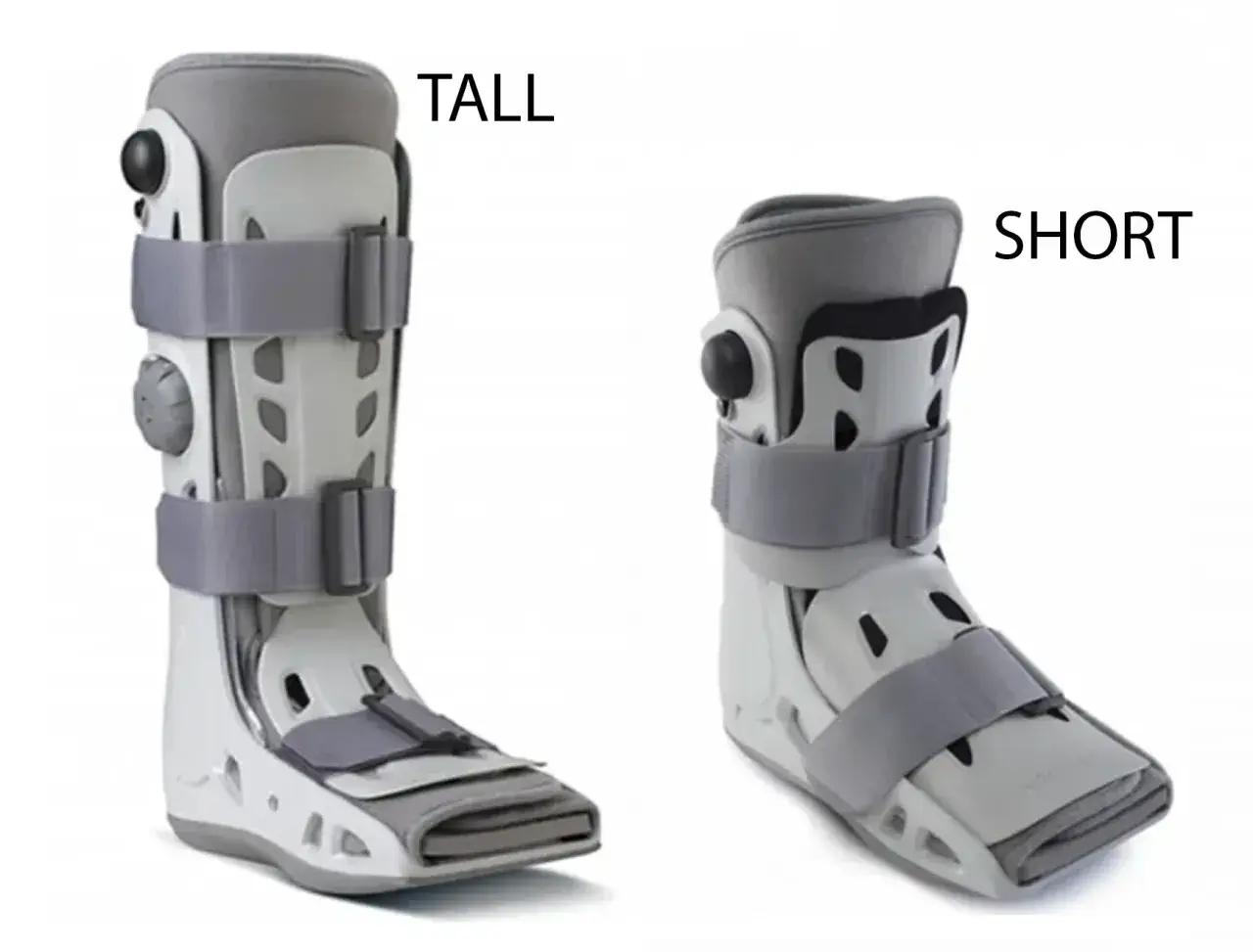
The safest answer to boot sizing starts with your foot, not the number printed on your old sneakers. For hiking footwear, I look at length, width, volume, sock thickness, and how the boot behaves on a downhill step, because that is where a too-tight fit shows up fast. That is the real way to answer what size walking boot do I need without guessing and hoping for the best.
These are the checks that matter most when sizing a hiking boot.
- Measure both feet late in the day and size to the longer one.
- Leave about a thumb’s width, roughly 10-15 mm, in front of the longest toe.
- Snug heel and midfoot fit matter more than the number on the box.
- Half a size up is common for hiking, but only if the boot still locks down properly.
- Width, instep volume, and sock thickness can matter as much as length.
Start with foot length, not your usual shoe size
Shoe sizes are a starting point, not a verdict. I fit hiking boots by foot length first, because a US size 10 can behave very differently from one brand to another, and even from one model to the next. If one foot is longer, that foot wins every time.The cleanest home method is simple: stand on paper in the socks you plan to hike in, trace both feet, and measure from heel to longest toe. Measure in the afternoon or evening, when your feet are more likely to be slightly larger. If you can, compare that measurement with the boot’s removable insole; you want a little space beyond your longest toe, not edge-to-edge contact.
- Use hiking socks, not dress socks or bare feet.
- Measure both length and width.
- Record the longer foot and ignore the smaller one when choosing the size.
Once that baseline is clear, the next step is seeing how the boot actually feels under load.
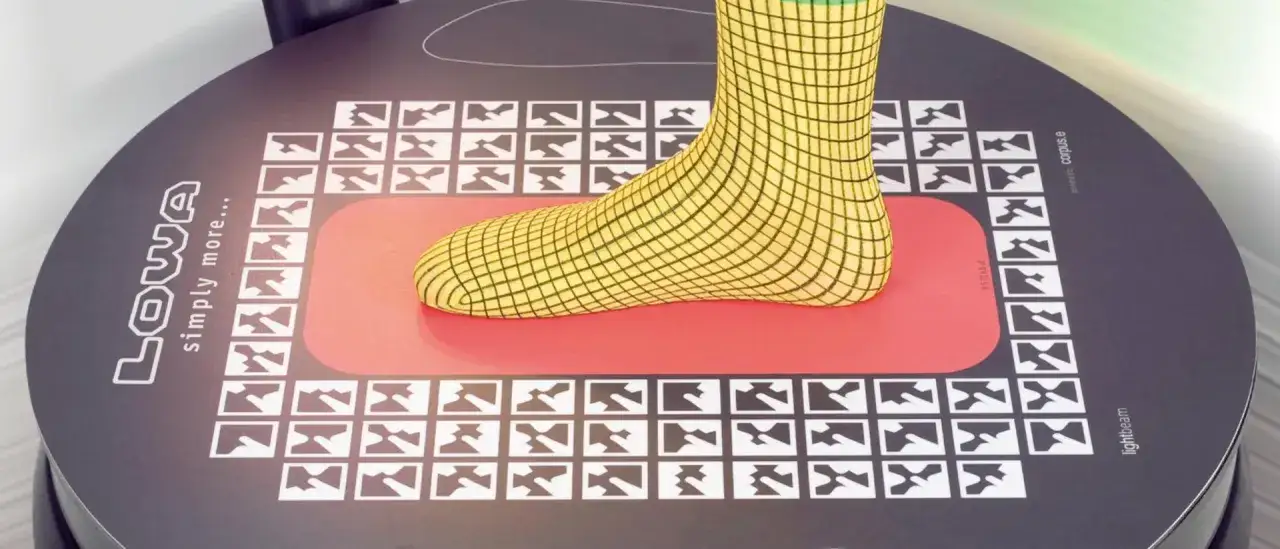
How I check the fit before I trust the size
I never stop at “it feels fine while sitting.” A hiking boot has to work when you are standing, walking, and descending, because that is when the foot spreads and slides forward. My test is short but ruthless: lace the boot from the forefoot upward, stand up, walk on a slope or stairs, and notice whether the heel stays planted.
- Toe room: your longest toe should not press the front when you stand straight, and it definitely should not hit on a downhill step.
- Heel hold: a little movement is normal, but the heel should not feel like it is lifting out of the boot.
- Midfoot pressure: the boot should feel secure, not pinching across the arch or top of the foot.
- Flex point: the boot should bend where your foot bends, not fold aggressively across the toes.
If the boot only feels wrong when you step down, that is not a small detail. It is usually the first sign the size or last is off, and it becomes blister territory fast. From here, the next question is whether a half size change solves the problem or makes it worse.
What to do when you are between sizes
Being between sizes is normal, and it is where most bad purchases happen. In hiking boots, I usually lean toward the larger size if the smaller one leaves the toe box cramped, if you plan to wear thicker socks, or if you expect long descents and foot swelling. The extra millimetres matter more on day three of a trek than they do in the fitting room.That said, going bigger is not automatically safer. If the larger boot gives you sloppy heel lift, the foot slides, the laces never quite settle, and you will pay for it with friction. In that case, I would rather try a different model or a different width before I force the size.| Scenario | What I usually lean toward | Why it works |
|---|---|---|
| Toe brushes the front in the smaller size | Size up | Downhill movement will make that contact worse |
| Heel slips noticeably in the larger size | Stay smaller or try another last | Too much movement creates blisters faster than a snug fit |
| Planning long hikes or backpacking days | Often half a size up if heel lock stays solid | Feet swell and slide forward under load |
| Using thicker socks or orthotics | Test the larger size first | Internal space shrinks once you add bulk |
That half-size rule is useful, but I never treat it as automatic. The shape of the boot matters just as much as the length, which leads to the part many people miss.
When width, sock thickness, and volume change the answer
Length gets all the attention, but width and volume often decide whether the boot is usable. Volume is the space over the instep and around the top of the foot; if the boot is low-volume and your foot is high-volume, you can have the “right” size on paper and still feel trapped.
Thicker socks add cushion, but they also add bulk. That can be useful on cool mountain days, yet it can turn a borderline fit into a cramped one. I prefer to choose the boot based on the socks I will really wear, not the thin pair I happened to have on at the shop.
- Wide feet: try a wide width before jumping a full size up.
- Narrow feet: focus on heel lock and try brands with a narrower last.
- Orthotics or supportive insoles: test with them installed, because they can reduce internal space.
- Swelling on long hikes: allow a little extra toe room, especially for warm weather or all-day walking.
On exposed routes, cobbled climbs, or wet mountain paths in places like northern Spain, that extra room helps more than it sounds. The trick is to create space without losing control, which is why the next section matters.
The fit signs that matter on real trails
Boots can feel fine on carpet and still fail on trail. I watch for five signs that tell me the size is genuinely right:
- Toes stay calm on descents. If you can walk downstairs without jamming the front, the length is usually close.
- The forefoot can spread. Toes need room to splay a little when the foot loads.
- The arch is supported without being squeezed. Pressure in the arch usually means volume mismatch, not just tight laces.
- The heel is stable. A locked heel prevents friction blisters and keeps the foot from drifting forward.
- Nothing goes numb. Numb toes often mean the boot is too tight, the laces are overdone, or the width is wrong.
If a boot passes four of those five tests, I keep listening to the one that fails. That is usually where the real sizing decision lives. With those signs in mind, the final step is matching the boot to the kind of hiking you actually do.
Choose the size that matches the kind of hiking you actually do
The same foot can need slightly different treatment depending on the outing. A short urban walk on dry pavement is not the same as a wet ridge route, a backpacking trip, or a full day of climbing and descending. I size with the hardest day in mind, not the easiest one.
| Hiking situation | What I usually recommend | Why it works |
|---|---|---|
| Short day hikes | True to size or half a size up | Less swelling, less load, and fewer long descents |
| All-day mountain walks | Often half a size up | Feet swell and the toes need more downhill room |
| Backpacking with a load | Half a size up if heel hold stays solid | Extra weight pushes the foot forward |
| Wide forefoot, narrow heel | Try width options before changing length | Length alone will not fix the shape mismatch |
| Travel walking on mixed surfaces | Comfort first, but keep heel control | Cobblestones, stairs, and uneven paths punish sloppy fit |
That last row matters more than many people expect. The boot that feels merely “okay” in town can become a problem once you add slopes, heat, and a few hours on your feet. For me, the best hiking boot is the one that still feels composed when the terrain gets awkward.
The size choice that usually wins for most hikers
If you want the shortest practical answer, I would start with the longer foot, the socks you actually hike in, and a fit that leaves about a thumb’s width in front of the longest toe. If that means the larger of two sizes, fine. If the larger size slips at the heel, try the other width or another brand before you accept a loose boot.
That is still my rule for deciding what size walking boot do I need: match the foot, not the label, and let real trail movement make the final call. A boot that looks perfect on the box but fails on stairs is the wrong boot.
In the end, the right size is the one that feels secure, leaves room for swelling, and still lets you walk downhill without thinking about your toes every few steps.