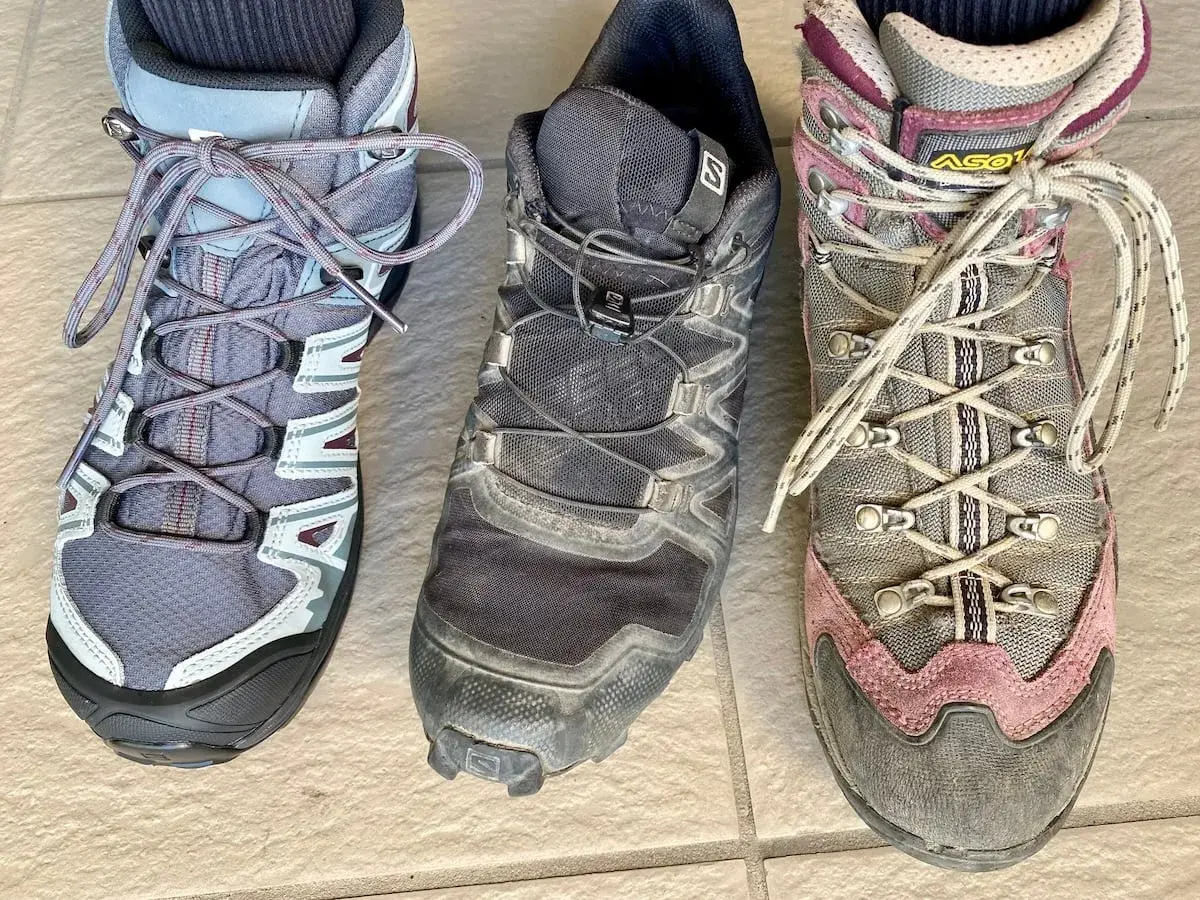
Choosing between mid- and high-cut hiking boots is really about matching the boot to the trail, the load, and the weather. The right collar height can change how stable the boot feels, how much debris it keeps out, and how tiring it is after a long descent.
In this article I break down when a mid-cut boot is enough, when a high-cut model is worth the extra bulk, and why fit and lacing often matter more than collar height. I’m keeping it practical for hikers who move between rocky paths, muddy forest climbs, and longer backpacking trips.
The short answer before you compare models
- Mid-cut boots are the versatile choice for most day hikes and lighter backpacking loads.
- High-cut boots make more sense when the trail is rough, the pack is heavier, or the weather is wet, cold, or snowy.
- A taller collar can add a feeling of control, but it does not magically prevent ankle injuries.
- Mid-cuts usually feel lighter, flex more easily, and breathe better in warm conditions.
- High-cuts usually protect better against scree, mud, brush, and snow, but they often run hotter and need more break-in.
- If the boot does not fit well, the cut matters far less than most hikers think.
What changes when the cuff gets taller
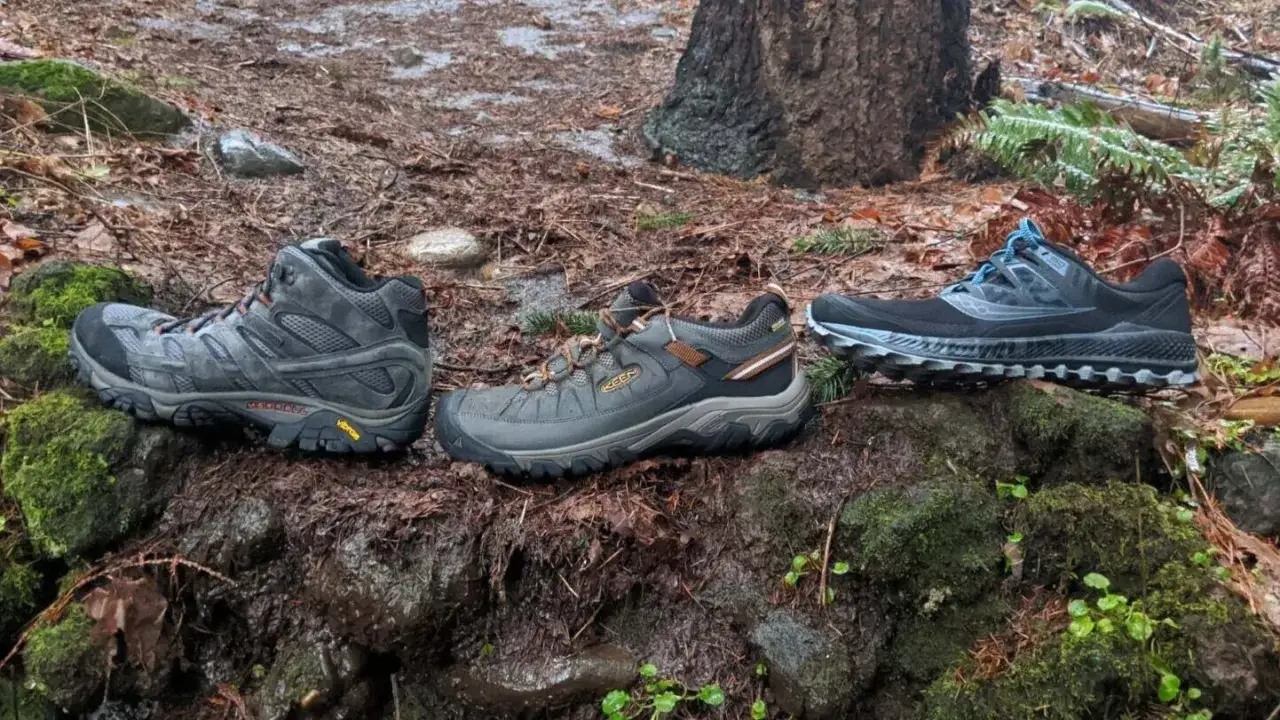
The biggest difference between these two boot styles is not just the height of the collar, but how that height changes the whole feel of the boot. A mid-cut boot rises to or just above the ankle and usually gives me a good mix of freedom and structure. A high-cut boot wraps farther up the lower leg, which can feel more secure on loose ground, but also a little more restrictive.| Criterion | Mid-cut boots | High-cut boots | What I notice on trail |
|---|---|---|---|
| Ankle coverage | Sits at or just above the ankle | Wraps above the ankle with a taller collar | High-cuts feel more enclosed, mid-cuts feel freer |
| Weight and flex | Usually lighter and more flexible | Usually heavier and stiffer | Mid-cuts are easier to move in over a long day |
| Breathability | Often better | Often warmer and less breathable | Mid-cuts usually win in hot weather |
| Debris and weather protection | Moderate protection | Better against brush, mud, snow, and scree | High-cuts earn their keep in messy conditions |
| Load carrying | Good for day hikes and lighter packs | Better for heavier multiday loads | High-cuts start to make more sense as weight rises |
| Break-in | Often shorter | Often longer | Mid-cuts are usually easier to take out immediately |
One detail that gets overstated is ankle support. A taller cuff can help limit side-to-side motion and make the boot feel more stable, but I treat that as a comfort and control feature, not a guarantee of injury prevention. The trail still decides the test, especially on uneven rock, wet roots, or loose descents.
When a mid-cut boot is the better fit
If most of your hiking is on maintained trails, mixed dirt paths, or moderate mountain routes, a mid-cut boot usually gives you the best balance of comfort and usefulness. I reach for this category when I want enough structure for rocky ground without carrying extra stiffness around all day. That is especially true on long walks where every ounce starts to matter.- Day hikes with light to moderate packs, especially when you are not carrying camping gear.
- Warm or variable weather, when breathability matters as much as protection.
- Mixed terrain, such as forest trails, rolling hills, and the occasional rocky section.
- Hikers who dislike bulky footwear and want a more natural stride.
- Trips where speed and comfort matter, not just raw protection.
Mid-cuts also make sense when you want a boot that behaves a bit more like a hiking shoe without giving up all support. On a long European path with steady climbing, that can be a very good compromise: enough confidence for uneven ground, but not so much boot that your feet feel boxed in by lunch. Next comes the question of when that extra collar height actually pays off.
When a high-cut boot earns its place
A high-cut boot starts making sense when the trail gets more demanding than your average day hike. If you are carrying a heavier pack, moving through loose rubble, or hiking in wet, cold, or snowy conditions, the extra coverage can be useful in ways that go beyond ankle support. It can also keep grit, water splash, and brush from creeping into the boot so easily.
- Multiday backpacking with a heavier load, where support starts to matter more.
- Off-trail or rugged terrain, including scree, talus, and rough alpine ground.
- Wet, cold, or snowy conditions, where a taller upper can feel more protective.
- Brushy routes, where the boot collar helps with abrasion and debris.
- Hikers who want a more planted feel when descending steep ground with a pack.
I like high-cuts for terrain that feels messy rather than simply steep. That distinction matters. A long, smooth climb does not automatically call for a tall boot, but a loose descent with a loaded pack often does. The trade-off is obvious: more protection and structure usually means more heat, more weight, and more break-in time. In summer, that can become the deal-breaker.
How terrain, pack weight, and weather should drive the choice
This is the part I would not skip. Boot height should follow the real conditions you hike in, not an abstract idea of what looks “serious” enough. I also think it helps to be honest about pack weight, because boot choice changes as the load gets heavier. A light day pack and a multiday setup do not ask the same thing from your footwear.
| Situation | I would lean toward | Why |
|---|---|---|
| Short to medium day hikes on established trails | Mid-cut | Lighter, cooler, and easier to move in |
| Day hikes with a pack around 15 to 30 lb | Mid-cut, sometimes high-cut if the terrain is rough | Enough structure for most hikers without overbooting the route |
| Long backpacking days with heavier loads | High-cut | More coverage and a more secure feel under load |
| Wet stone, mud, or shoulder-season weather | High-cut if conditions are consistently messy | Better protection from splash, grit, and cold |
| Hot-weather hiking and fast-paced trails | Mid-cut | Breathability and freedom usually matter more than extra collar height |
| Rugged backpacking, off-trail travel, or snow patches | High-cut | Extra coverage makes the boot feel more appropriate to the terrain |
If you want a simple rule, use this: the rougher, wetter, colder, or heavier the hike, the more likely a high-cut boot will earn its keep. For everything else, a mid-cut boot is often the better blend of comfort and capability. That still leaves one part of the decision that people underestimate all the time, and it can make or break both styles.
Fit and break-in can matter more than the cut
I have seen hikers blame the boot height when the real problem was fit. A mid-cut boot that fits poorly will feel worse than a well-fitting high-cut boot almost every time. What matters most is how the heel locks, how the forefoot spreads, and whether your toes can move without slamming the front on descents. For most people, that is where comfort is won or lost.
- Check heel hold first. Excess heel lift causes blisters and makes any boot feel sloppy.
- Leave enough toe room. You want space for downhill movement without crushing the front of the boot.
- Tie the boot for the terrain. A snug forefoot and secure ankle area usually work better than one all-over tight lace job.
- Test them on an incline. Stairs or a sloped path reveal slipping and pressure points fast.
- Break them in before a serious trip. Heavier, stiffer high-cuts often need more time than mid-cuts.
The decision rule I would use on a real trail
If I had to choose one pair for most three-season hiking, I would start with a mid-cut boot. It is the safer bet for versatility, comfort, and everyday trail use, especially if my hikes are mostly day trips, shoulder-season walks, or moderate mountain routes. I would move to a high-cut boot only when the hike regularly demanded more protection, more support, or more weather resistance.
- Pick mid-cut if you hike light, move quickly, and want one boot that does a bit of everything.
- Pick high-cut if you backpack heavier, hike rougher ground, or spend time in mud, snow, and brush.
- Pick the boot that fits best if you are torn between two close options, because fit will outlast theory on the trail.
That is the part I trust most in practice: the tallest boot is not automatically the best boot, and the lightest boot is not automatically the smartest one. The right choice is the one that keeps you stable, comfortable, and willing to keep walking after hour five, whether the trail is a dry ridge, a wet stone staircase, or a long descent back to the valley.