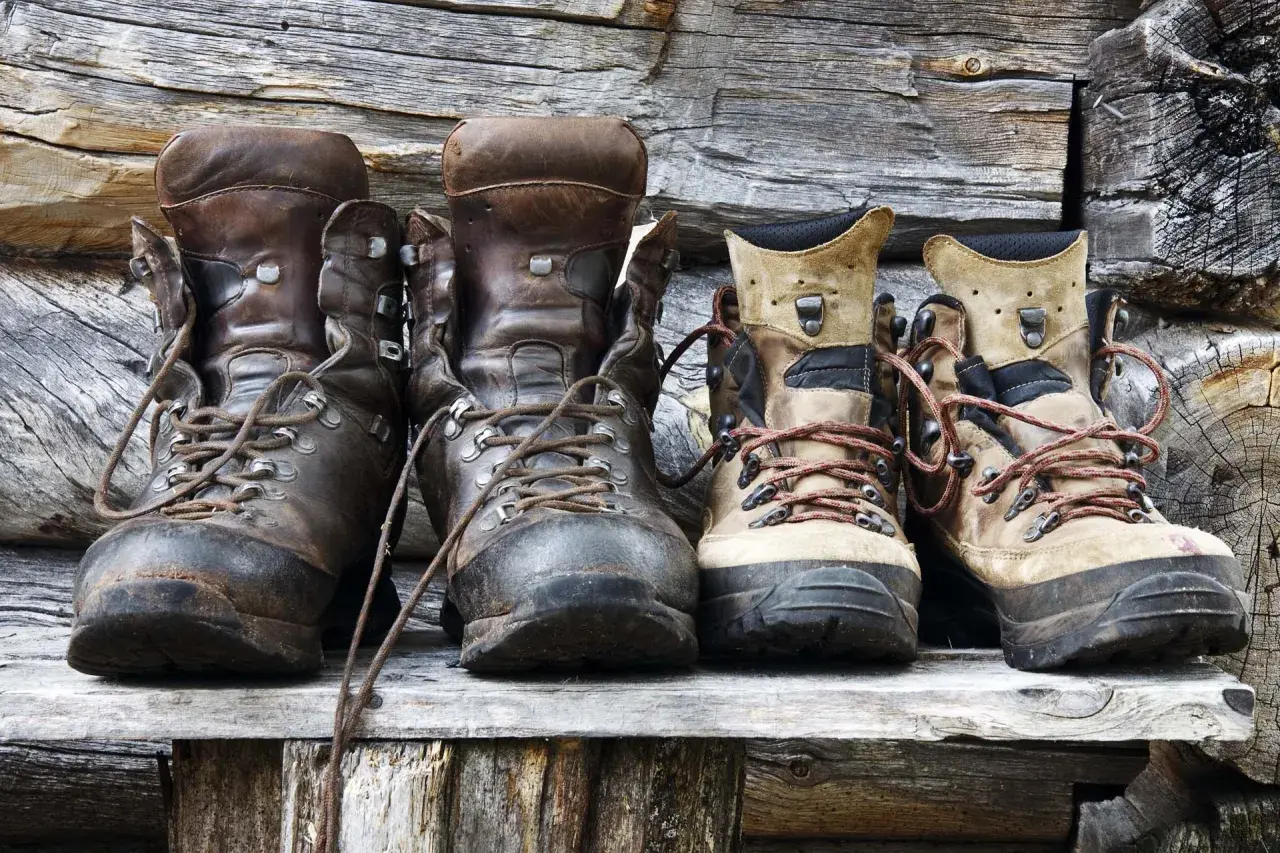
Hiking footwear should feel secure, but not cramped. The useful question is not whether bigger is always better, but how much extra room your feet actually need once you add socks, swelling, and steep descents into the picture. Should you size up in hiking shoes? Often yes, but usually only by half a size and only if the fit checks support it.
The safest fit is snug at the heel, secure through the midfoot, and roomy enough for downhill toe movement
- A half size up is common for hikers, especially on longer days or warm-weather routes.
- Extra length helps when your toes touch the front on descents or your feet swell during the day.
- Going too large creates heel slip, friction, and less control on uneven ground.
- Try on hiking shoes late in the day, with the socks and insoles you plan to use.
- If you need more than a small size increase, the real fix may be a wider last or a different model.
The short answer is usually a half size, not a full size
My default advice is simple: start by testing a half size up, not a full size up. REI’s fit guidance matches that logic well: hiking footwear should feel snug everywhere but tight nowhere, with enough room to wiggle your toes. That usually translates to a locked-in heel, a secure midfoot, and about a thumb’s width of space in front of your longest toe.The reason is practical. On the trail, your foot does not stay the same size or shape all day. It swells a little, your toes move forward on downhills, and long climbs make the forefoot work harder. A shoe that feels perfect in the shop can feel short by mile six. On the other hand, a shoe that is too large can start rubbing long before your hike is over. The sweet spot is not “bigger”; it is slightly roomier without losing control.
That tradeoff is why I never treat size-up advice as a rule. I treat it as a starting point. The terrain, the sock thickness, and your foot shape decide whether the extra room is helpful or just sloppy. That leads directly to the situations where going up makes the most sense.
When a larger size actually helps
There are a few cases where I would actively lean bigger instead of forcing true-to-size fit. The pattern is usually the same: the shoe feels fine standing still, but it starts working against you once you move downhill, heat up, or spend hours on your feet.
| Situation | Why a larger size helps | What I would try first |
|---|---|---|
| Long descents | Your foot slides forward and your toes need protection from repeated impact. | Half a size up, then tighten the lacing before increasing length again. |
| Hot weather or full-day hikes | Feet tend to swell as the day goes on, especially on sustained climbs. | Try the shoe late in the day and wear the socks you will hike in. |
| Thicker hiking socks | Winter socks and technical trekking socks take up more internal volume. | Test the shoe with the exact sock thickness you plan to use. |
| Orthotics or supportive insoles | Added volume under the foot can reduce interior space and change heel lock. | Bring the insert with you before deciding on size. |
| Wide forefoot, narrow heel | You may need more toe room without sacrificing heel hold. | Look at width options before jumping a full size. |
| Stiff waterproof uppers | Less upper give can make a shoe feel tighter across the top of the foot. | Give yourself a little extra length only if the heel remains stable. |
Salomon’s sizing advice is useful here: if you are between sizes, lean toward the larger one, because swelling is easier to accommodate than a shoe that is too short. I agree with that in most hiking scenarios, especially for routes with repeated climbs and descents. The exception is when the shoe already has a generous last or the brand runs long; in that case, the right answer may be width, not length.
This is also where European mountain terrain matters. On rocky Alpine descents, or on uneven stone steps in places like the Picos de Europa, toe protection matters more than casual comfort. That does not mean you need a huge shoe. It means you need enough front-end room to prevent repeated impact when the trail pushes your foot forward.
Once you know when extra space helps, the next job is to spot the warning signs that it has gone too far.
When sizing up creates the wrong kind of space
A bigger hiking shoe can solve toe bang, but it can also create a new problem: movement inside the shoe. Once the foot starts sliding, you trade one kind of discomfort for another. That usually shows up as hot spots, heel lift, or a feeling that the shoe is working against your stride instead of with it.
- Heel slip on climbs. If your heel rises every step, the shoe is too long or the collar shape is wrong.
- Hot spots across the back of the foot. Friction builds faster when you have to crank the laces just to stay secure.
- Side-to-side drift on off-camber terrain. On rocky or slanted trails, extra room can reduce precision.
- Toe protection that comes at the cost of control. If the front is roomy but the midfoot feels loose, the fit is not balanced.
- Dependence on very thick socks. If only bulky socks make the shoe wearable, the base fit is probably off.
That is why fit testing matters more than brand habits or generic advice. The next section is the simplest way to check that fit before you commit.
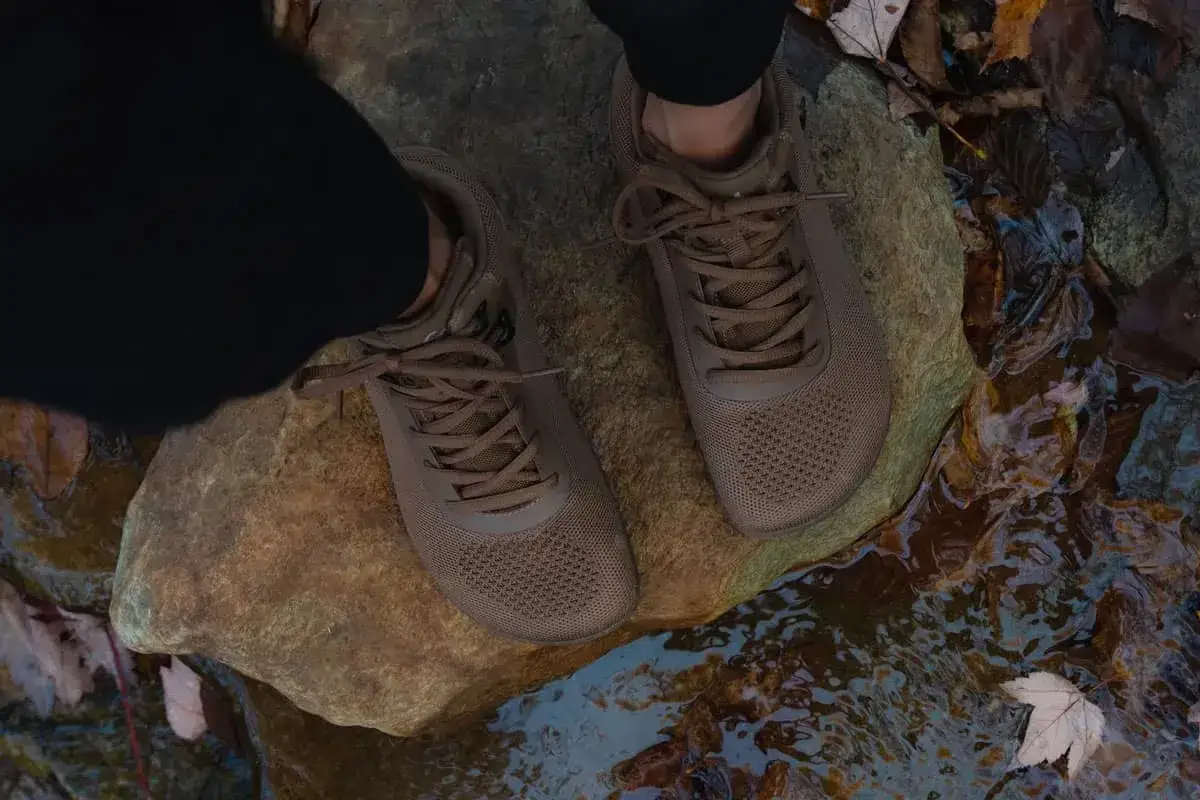
How to test the fit before you commit
I always recommend testing hiking shoes the same way you plan to use them. Try them late in the day, when your feet are already a bit larger. Put on the hiking socks you actually wear on trail. If you use an insole or orthotic, bring it along. That small effort removes a lot of guesswork.
- Stand in the shoes and check toe room first. You want roughly a thumb’s width, about 1 cm, between your longest toe and the front of the shoe.
- Walk downhill or down stairs. Your toes should not slam the front with each step.
- Check the heel. It should stay close to the shoe with only minimal movement.
- Flex through the forefoot. The shoe should bend where your foot naturally bends, not press across the top.
- Try a few quick turns and a short incline. The shoe should feel stable, not sloppy.
- If possible, wear them indoors for 15 to 20 minutes. Small fit problems usually show up fast.
One simple test tells me a lot: if the shoe feels good until I tighten it hard enough to stop the heel from lifting, it is probably the wrong size or shape. Proper hiking footwear should not need to be over-laced to become usable. That is a sign you are trying to solve a fit problem with tension, and that rarely ends well on a long trail day.
If the shoe passes these checks, size becomes less important than the type of footwear itself. That is where the shoe-versus-boot question starts to matter.
Shoes, boots, and socks do not fit the same way
Not all hiking footwear behaves the same once you put it on trail. Low-cut hiking shoes often feel more flexible, so a half size up can be enough if you want a little more toe space. Mid boots and waterproof models usually feel stiffer, which can make the fit seem tighter even when the length is technically right. Traction, stiffness, and upper structure all affect how much room you actually feel.
| Footwear type | How it usually fits | My sizing instinct |
|---|---|---|
| Light hiking shoes | More forgiving, more flexible, easier to break in. | True to size or half size up if you want descent room. |
| Sturdy mid boots | More structure around the foot and ankle, often less give. | Test carefully with hiking socks before sizing up. |
| Waterproof models | Membranes and overlays can reduce interior forgiveness. | Check forefoot space and top-of-foot pressure. |
| Trail-running style hikers | Light, precise, and often narrower in the heel. | Half size up is common if you plan long days or technical descents. |
Sock choice matters just as much. A thin sock can make a shoe feel acceptable in the shop and then unstable on the trail if you later switch to a warmer pair. A thick sock can do the opposite: it can mask a shoe that is already too short. I prefer to decide size with the exact sock system I will actually wear, not with whatever the store has on hand. That small detail saves a lot of regret later.
Once you compare the shoe, the sock, and the terrain together, the answer becomes clearer. The final decision is usually less dramatic than people expect.
The decision I trust most before a long trail week
For most hikers, the safest choice is straightforward: stay close to your normal size, then move up half a size only if the fit tests demand it. That gives you enough room for toe movement and swelling without inviting heel lift. If you need more than that, I would stop thinking about length and start looking at width, brand shape, or a different model entirely.
- Choose a smaller size adjustment for short day hikes and softer terrain.
- Choose a half size up for long mileage, warm weather, and steep descents.
- Choose a wider fit before going a full size up if the forefoot feels crowded.
- Do not ignore heel movement just because the front feels comfortable.